
“Dan ir-rapport ħareġ f’mument opportun uniku. Smajna x’kellhom xi jgħidu l-ġenituri, l-edukaturi, l-esperti, u ż-żgħażagħ infushom. Smajna l-esperjenza ta’ sħabna kif ukoll tal-Istati Membri tagħna. Issa wasal il-mument li naġixxu fil-livell Ewropew.”
Il-President tal-Kummissjoni Ewropea, Ursula von der Leyen
Ir-rapport tal-bord speċjali
Kif ħabbret fid-diskors dwar l-Istat tal-Unjoni tal-2025, il-President Ursula von der Leyen waqqfet bord speċjali ta’ esperti biex jiġi żviluppat approċċ Ewropew b’saħħtu u prattiku għas-sikurezza tat-tfal online.
Il-kopresidenti tal-bord ippreżentaw ir-rapport finali tagħhom f’Lulju 2026. Ir-rapport jenfasizza l-isfidi kritiċi li t-tfal jiffaċċjaw online u jipprovdi rakkomandazzjonijiet u spunti ta’ ispirazzjoni dwar kif nipproteġuhom aħjar u nsaħħulhom il-pożizzjoni tagħhom, kif ukoll dwar l-użu xieraq tal-midja soċjali u ta’ servizzi diġitali oħrajn skont l-età.
Fuq il-bażi tal-ħidma tal-bord, il-Kummissjoni pproponiet l-UE KIDS Act biex tikkontribwixxi għall-ħolqien ta’ internet aktar sikur għat-tfal.

Il-kuntest
Il-bord ġabar flimkien minn madwar l-UE kollha żgħażagħ u esperti, inkluż fis-saħħa, in-newroxjenza, il-psikoloġija, ix-xjenza tal-kompjuter, id-drittijiet tat-tfal, u l-litteriżmu diġitali.
Minn Marzu sa Ġunju 2026, il-bord iltaqa’ tliet darbiet biex jesplora kemm l-opportunitajiet kif ukoll ir-riskji għat-tfal meta jqattgħu ħinhom online. Ġie diskuss kif jistgħu jiġu appoġġati aħjar il-ġenituri u l-indokraturi, filwaqt li ġew enfasizzati t-tagħlimiet ewlenin u l-prattiki tajbin minn madwar l-UE u lil hinn minnha.
Id-diskussjonijiet tal-bord kienu bbażati fuq l-aħħar riċerka u fuq esperjenzi fil-ħajja reali tat-tfal u tal-familji.
Il-fehmiet taż-żgħażagħ u taċ-ċittadini — permezz ta’ inizjattivi bħall-Bord Konsultattiv taż-Żgħażagħ għall-President u l-Panels taċ-Ċittadini — kien parti ewlenija minn din il-ħidma.

 Is-sikurezza tat-tfal online
- l-aħjar approċċ għall-UE kollha biex it-tfal jinżammu sikuri online
- limitu ta’ età komuni tal-UE għall-midja soċjali bi protezzjonijiet adattati għall-età u għar-riskju
- edukazzjoni biex jiġi inkoraġġit l-użu sikur u responsabbli tal-midja soċjali
 L-użu tal-pjattaformi online mit-tfal
- ir-riskji u l-benefiċċji tal-użu mit-tfal tal-midja soċjali, tal-logħob tal-azzard, tal-apps tal-messaġġi, u tal-għodod tal-IA
- l-effetti fuq is-saħħa u l-benesseri tagħhom f’etajiet differenti
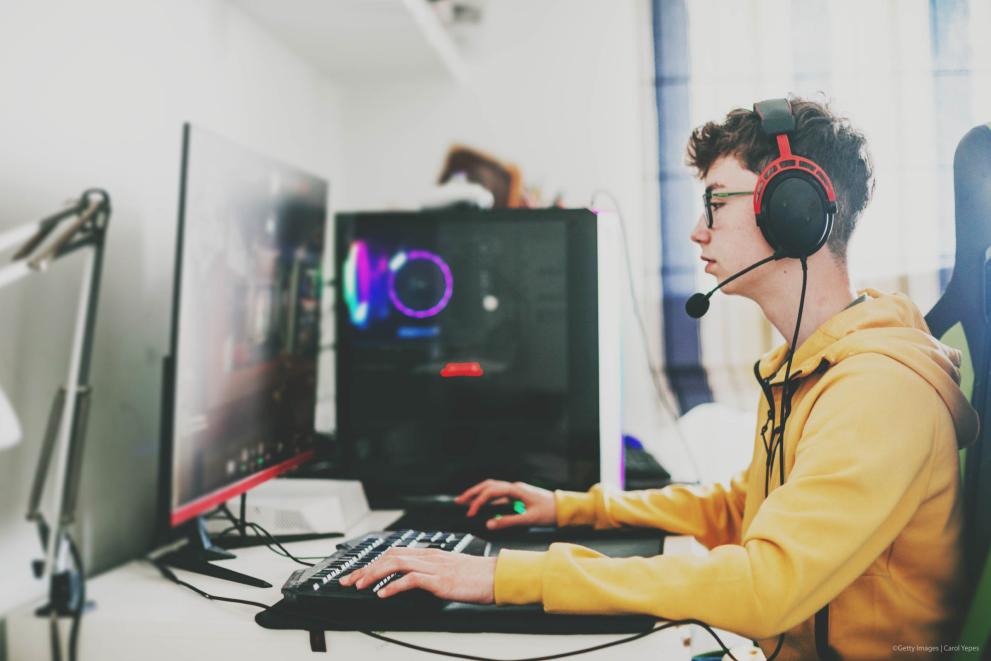 Ir-responsabbiltà tal-pjattaformi online
- ir-responsabbiltà tal-kumpaniji tat-teknoloġija biex it-tfal jiġu protetti
- modi biex jissaħħu l-miżuri ta’ sikurezza eżistenti
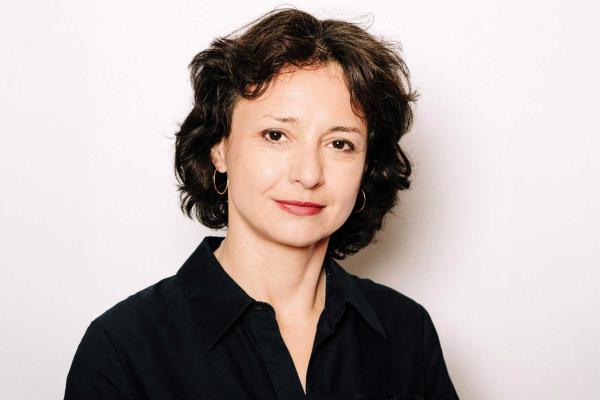
Id-Direttur tal-Institut national de la santé et de la recherche médicale ta’ Franza
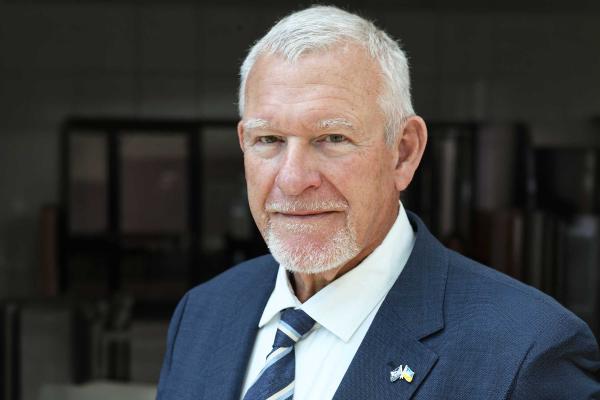
Id-Direttur tad-Dipartiment tal-Psikjatrija, il-Psikosomatika, u l-Psikoterapija tat-Tfal u tal-Adolexxenti fiċ-Ċentru Mediku tal-Università ta’ Ulm
Il-parteċipanti fl-ewwel laqgħa
Kimmo Alho, Professur Emeritu tal-Psikoloġija fl-Università ta’ Helsinki, speċjalizzat fin-newroxjenza konjittiva, il-mekkaniżmi ta’ attenzjoni tal-moħħ, u l-funzjonament fl-ispazji diġitali
Leanda Barrington-Leach, id-Direttur Eżekuttiv tal-Fondazzjoni 5Rights
Gabriele Battimelli, l-ambaxxatur tal-Istrateġija għal Internet Aħjar għat-Tfal+ (BIK+) għall-Italja
Elena Bozzola, pedjatra u Segretarju u Kunsillier Nazzjonali tas-Soċjetà Taljana tal-Pedjatrija (ħadet sehem online)
Matthias Brand, il-Kap tad-Dipartiment tal-Psikoloġija tal-Università ta’ Duisburg
Jutta Croll, il-President tal-Bord tal-iStiftung Digitale Chancen
Sigge Eriksson mill-Kunsill Nazzjonali tal-Organizzazzjonijiet Żvediżi tat-Tfal u taż-Żgħażagħ, l-Iżvezja
Jeff Hancock, id-Direttur Fundatur tal-iStanford Social Media Lab (ħa sehem online)
Pavel Kordik, Professur Assoċjat fil-Fakultà tat-Teknoloġija tal-Informazzjoni tas-CTU fi Praga (ħa sehem online)
Marta Lamarosa Gonçalves, ambaxxatur tal-Istrateġija għal Internet Aħjar għat-Tfal+ (BIK+) għall-Portugall
Sonia Livingstone, OBE, Professur tal-Psikoloġija Soċjali, u d-Direttur tad-Digital Future for Children Centre tal-London School of Economics
Elvira Mentzelioti, mill-Kunsill Nazzjonali Elleniku taż-Żgħażagħ, il-Greċja
Servane Mouton, tabiba, newrologa, u newropsikologa
James O’Higgins Norman, Professur tal-Edukazzjoni u s-Soċjetà, id-Direttur tad-DCU Anti-Bullying Centre, u l-Kattedra tal-UNESCO dwar il-Bullying u l-Bullying Ċibernetiku
Maja Olszewska, ambaxxatriċi tal-Istrateġija għal Internet Aħjar għat-Tfal+ (BIK+) għall-Polonja
Brian O’Neil, Professur Emeritu fit-Technological University Dublin
Leo Pekkala, espert tal-litteriżmu diġitali, u Viċi Direttur tal-KAVI
Soledad Pera, Professur Assoċjata fil-Grupp tas-Sistemi tal-Informazzjoni tal-Web tal-Fakultà tal-Inġinerija Elettrika, il-Matematika, u x-Xjenza tal-Kompjuter tat-TU Delft
Hanne-Mari Schiøtz Thorud, fiżjologa u Professur fin-National Centre for Optics, Vision and Eye Care tal-University of South-Eastern Norway
Lore Sleeckx mill-Kunsill Fjamming taż-Żgħażagħ
Piotr Toczyski, Riċerkatur fl-SWPS University of Social Sciences and Humanities
Antonia Torrens, il-President tal-COFACE — Families Europe
Rareș Voicu, Maniġer Superjuri responsabbli għall-politiki u għall-promozzjoni fil-Forum Ewropew taż-Żgħażagħ
Alexandra Weilenmann, Professur tad-Disinn tal-Interazzjoni, il-Kap tal-Unità tal-Interazzjoni bejn il-Bniedem u l-Kompjuter fid-Dipartiment tat-Teknoloġija tal-Informazzjoni Applikata fl-Università ta’ Gothenburg
Il-parteċipanti fit-tieni laqgħa
Mehdi Arfaoui, Soċjologu mal-Commission nationale de l'informatique et des libertés (CNIL) & École des hautes études en sciences sociales (EHESS)
Leanda Barrington-Leach, id-Direttur Eżekuttiv tal-Fondazzjoni 5Rights
Tobiáš Bruno Galia, mill-Bord Konsultattiv taż-Żgħażagħ għall-President u miċ-Czech Council of Children and Youth
Urs Buscke, Uffiċjal Legali Anzjan fl-Organizzazzjoni Ewropea tal-Konsumaturi (BEUC)
Alex Cooney, il-Kap Eżekuttiv u Kofundatur tas-CyberSafeKids
María del Mar España Martí, id-Direttur tal-Pjattaforma Control Z u eks Direttur tal-Aġenzija Spanjola għall-Protezzjoni tad-Data
Marina Fernández, il-President tal-Adolescència Lliure de Mòbils
Louise Flynn, Assistent Professur fl-Edukazzjoni tal-Għalliema fit-Trinity College, Dublin — Skola tal-Edukazzjoni
Catalina Goanta, Professur Assoċjat fid-Dritt Privat u t-Teknoloġija fl-Università ta’ Utrecht (NL)
Rasmus Kjedahl, Direttur ta’ Børns Vilkår
Petra Kogelnig, Segretarju Ġenerali tal-European Parents’ Association
Marta Lamarosa Gonçalves, Ambaxxatur tal-Internet Aħjar għat-Tfal (BIK)+ għall-Portugall
Giovanna Mascheroni, Professur fid-Dipartiment tal-Komunikazzjoni tal-Università Kattolika ta’ Milan
Helen Mason, id-Direttur Eżekuttiv taċ-Child Helpline International
Servane Mouton, tabiba, newrologa, u newropsikologa
María Soledad Pera, Professur Assoċjata fil-Grupp tas-Sistemi tal-Informazzjoni tal-Web tal-Fakultà tal-Inġinerija Elettrika, il-Matematika, u x-Xjenza tal-Kompjuter tat-TU Delft
Tanja Petelin, Lettur fil-Fakultà tal-Liġi tal-Università ta’ Poitiers
Jessica Piotrowski, Professur fl-Amsterdam School of Communication tal-Università ta’ Amsterdam
Declan Qualter, Kontrollur tat-Tiroċinju u kandidat għal dottorat fl-Iskola tal-Edukazzjoni tal-University College ta’ Dublin
Judith Simon, Professur għall-Etika fit-Teknoloġiji tal-Informazzjoni fl-Università ta’ Hamburg
Petr Slovak, Professur Assoċjat fl-Interazzjoni bejn il-Bniedem u l-Kompjuter fil-King's College London
Elisabeth Staksrud, Professur fid-Dipartiment tal-Midja u l-Komunikazzjoni tal-Università ta’ Oslo
Sophie Stalla-Bourdillon, Kap tar-Riċerka tal-Grupp ta’ Riċerka tal-Liġi, ix-Xjenza, it-Teknoloġija, u s-Soċjetà tal-VUB
Argyris Stringaris, Professur tal-Psikjatrija tat-Tfal u tal-Adolexxenti fil-University College London
Lisa Thorell, Professur fid-Dipartiment tan-Newroxjenza Klinika tal-Karolinska Institutet
Martina Tóthová mill-Bord Konsultattiv taż-Żgħażagħ għall-President u mill-Kunsill taż-Żgħażagħ tas-Slovakkja
Mieke Visser-Schuurman, id-Direttur għad-Drittijiet tat-Tfal u t-Tisħiħ tal-Kapaċitajiet tal-Eurochild
Niels Zagema mill-Bord Konsultattiv taż-Żgħażagħ għall-President; u mill-Kunsill Nazzjonali Olandiż taż-Żgħażagħ
Il-parteċipanti fit-tielet laqgħa
- Louise Heeran Flynn, Assistent Professur fl-Edukazzjoni tal-Għalliema fl-Iskola tal-Edukazzjoni tat-Trinity College Dublin
- Lies Craeynest, il-Fundatriċi tal-KidsUnplugged
- Jutta Croll, il-President tal-Bord tal-iStiftung Digitale Chancen
- Alberto Monge Roffarello, Assistent Professur fil-Politecnico di Torino
- Kai Rannenberg, il-President tal-Mobile Business and Multilateral Security tal-Università ta’ Goethe fi Frankfurt
- Christoph Pieh, il-Kap tad-Dipartiment tal-University for Continuing Education Krems
- Urs Buscke, Uffiċjal Legali Anzjan fl-Organizzazzjoni Ewropea tal-Konsumaturi (BEUC)
- Théo Mouhoud, Psikjatra tat-Tfal fl-Isptarijiet ta’ Pariġi
- Eva Möhler, President u Tabib Kliniku tal-Psikjatrija tat-Tfal u tal-Adolexxenti
- Kerstin Paschke, Speċjalista Medika fil-Psikjatrija u l-Psikoterapija tat-Tfal u tal-Adolexxenti
- Petra Kogelnig, Segretarju Ġenerali tal-European Parents’ Association
- Laura Vandenbosch,Professur assoċjat u Direttur tal-Laboratorju tal-Psikoloġija tal-Midja tal-KU Leuven
- Sørine Vesth Rasmussen, Konsulent dwar id-drittijiet tat-tfal u l-politika tat-teknoloġija, Børns Vilkår
- Marta Lamarosa Gonçalves, Ambaxxatur tal-Internet Aħjar għat-Tfal (BIK) + għaż-Żgħażagħ
- Dimitris Tsalavos, Ambaxxatur tal-BIK għaż-Żgħażagħ
- Anna Schwabegger, President tal-Kunsill Nazzjonali Awstrijak taż-Żgħażagħ
- Aisling Maloney mill-PYAB u mill-Kunsill Nazzjonali taż-Żgħażagħ tal-Irlanda
- Maya Katkovska,il-Kap taċ-Ċentru Latvjan għal Internet Aktar Sikur
- Konstantinos Karachalios, Konsulent tad-Direttur Eżekuttiv tal-IEEE u Membru tal-Bord tal-Fondazzjoni 5Rights
- Mie Oehlenschlager, Riċerkatriċi u konsulenta indipendenti (id-Danimarka)
- Ana Caballero, il-President tal-Grupp ta’ Esperti biex tittejjeb il-protezzjoni tal-minorenni fil-qasam diġitali
- Lisa Thorell, Professur fid-Dipartiment tan-Newroxjenza Klinika tal-Karolinska Institutet
- Servane Mouton, tabiba, newrologa, u newropsikologa
- Owen Bennett, Espert indipendenti fir-regolamentazzjoni tat-teknoloġiji diġitali (ir-Renju Unit)
- Lucas Borges, Supretendent tar-Regolamentazzjoni tal-Aġenzija Brażiljana għall-Protezzjoni tad-Data
- Giovanna Mascheroni, Professur fid-Dipartiment tal-Komunikazzjoni tal-Università Kattolika ta’ Milan
- Beckett LeClair, il-Kap tat-Teknoloġija tal-Fondazzjoni 5Rights
- Ayata, rappreżentanta ta’ 15-il sena tal-Pjattaforma tal-UE għall-Parteċipazzjoni tat-Tfal
- Zuzanna, rappreżentanta ta’ 17-il sena tal-Pjattaforma tal-UE għall-Parteċipazzjoni tat-Tfal
Dokumenti
- Доклад на специалната група: „Безопасност на децата онлайн: защита и овластяване на малолетните и непълнолетните лица в цифровия свят“
- Special panel report: "Child Safety Online: Protecting and Empowering Minors in a Digital world"
- Special panel report: "Child Safety Online: Protecting and Empowering Minors in a Digital world"
- Rapport fra det særlige panel: "Børns sikkerhed online: Beskyttelse og styrkelse af mindreårige i en digital verden"
- Bericht des Sonderausschusses: "Online-Sicherheit von Kindern: Schutz und stärkung von minder-jährigen in einer digitalen welt"
- Special panel report: "Child Safety Online: Protecting and Empowering Minors in a Digital world"
- Έκθεση της ειδικής ομάδας: «Ασφάλεια των παιδιών στο διαδίκτυο: Προστασία και ενδυνάμωση των ανηλίκων σε έναν ψηφιακό κόσμο»
- Special panel report: "Child Safety Online: Protecting and Empowering Minors in a Digital world"
- Rapport du groupe spécial d’experts: "La sécurité des enfants en ligne : Protéger les mineurs dans un monde numérique et renforcer leur capacité d'agir"
- Special panel report: "Child Safety Online: Protecting and Empowering Minors in a Digital world"
- Special panel report: "Child Safety Online: Protecting and Empowering Minors in a Digital world"
- Relazione del panel speciale: "Sicurezza dei minori online: proteggere e responsabilizzare i minori nel mondo digitale"
- Īpašās ekspertu grupas ziņojums “Bērnu drošība tiešsaistē: nepilngadīgo aizsardzība un iespēcināšana digitālā pasaulē”
- Special panel report: "Child Safety Online: Protecting and Empowering Minors in a Digital world"
- Special panel report: "Child Safety Online: Protecting and Empowering Minors in a Digital world"
- Verslag van het speciaal panel: “Onlineveiligheid van kinderen: Minderjarigen beschermen en empoweren in een digitale wereld”
- Sprawozdanie specjalnego panelu pt. „Bezpieczeństwo dzieci w internecie: ochrona i wzmocnienie pozycji małoletnich w świecie cyfrowym”
- Relatório do painel especial: «Segurança das crianças em linha: Proteger e capacitar os menores no mundo digital»
- Raportul grupului special de experți: „Siguranța copiilor în mediul online: protejarea și sprijinirea minorilor într-o lume digitală”
- Special panel report: "Child Safety Online: Protecting and Empowering Minors in a Digital world"
- Special panel report: "Child Safety Online: Protecting and Empowering Minors in a Digital world"
- Erityispaneelin raportti: ”Lasten verkkoturvallisuus: Alaikäisten suojeleminen ja voimaannuttaminen digimaailmassa”
- Special panel report: "Child Safety Online: Protecting and Empowering Minors in a Digital world"
- Безопасност на децата онлайн: средства за защита и подкрепа на ненавършилите пълнолетие лица в цифровия свят
- Seguridad infantil en línea: proteger z empoderar a los menores en un mundo digital
- Bezpečnost dětí na interntu: ochrana a posílení postavení nezletilých osob v digitálním světě
- Børns sikkerhed online : beskyttelse og styrkelse af mindreårige I en digital verden
- Online-Sicherheit von Kindern: schutz und stärkung von minder-jährigen in einer digitalen welt
- Laste turvalisus internetis : kuidas tagada alaealistele digimaailmaskaitse ja tegutsemissuutlikkus
- Ασφάλεια τωνπαιδιών στοδιαδίκτυο: προστασια και ενδυναμωση των ανηλικων στον ψηφιακο κοσμο
- "Child Safety Online: Protecting and Empowering Minors in a Digital world" summary
- La sécurité des enfants en ligne: protéger les mineurs dans un monde numérique et renforcer leur capacité d'agir
- Sábháilteach leanaí ar line: mionaoisigh a chosaint agus a chumasú I saol digiteach
- Sigurnost djece na internetu – zaštita i autonomija maloljetnika u digitalnom svijetu
- Sicurezza dei minori online: proteggere e responsabilizzare i minori nel mondo digitale
- Bērnu drošība tiešsaistē: nepilngadība un iespēcināšana digitālā pasualē
- Vaikų saugumas internete: nepilnamečiu apsauga ir įgalinimas skaitmeniniame pasaulyje
- Online gyermekvédelem: a kiskorúak védelme és tudatosságra nevelése a digitális világban
- Onlineveiligheid van kinderen: minderjarigen beschermen en empoweren in eed digitale wereld
- Bezpieczeństwo dzieci w internecine: ochrona małoletnich I wzmocnienie ich pozycji w cyfrowym świecie
- Seguranças na Internet: proteger e capacitar os menores num mundo digital
- Siguranța copilor în mediul online: protejarea şi capacitarea minorilor într-o lume digitală
- Bezpečnosť detí online: ochrana maloletých a posilnenie ich postavenie v digitálnom svete
- Varnost otrok na spletu: zaščita in opolnomočenje mladoletnikov v digitalnem svetu
- Lasten verkkoturvallisuus: alaikäisten suojeleminen ja voimaannuttaminen digimaailmassa
- Barnsäkerhet på nätet: skydda och stärka minderåriga i en digital värld
Din il-paġna ġiet aġġornata l-aħħar: 13 Lulju 2026