
With wildfires on the rise in Europe, the EU works hand in hand with EU countries to
- prevent and reduce risks
- monitor and prepare for wildfires
- respond to emergencies
- support recovery
Wildfires on the rise
Climate change causes frequent heatwaves and droughts, creating conditions in which wildfires can spread faster and become harder to control. Rural depopulation and changes to land management only worsen this ever-growing threat. Wildfire seasons are becoming longer, particularly in the Mediterranean region, while regions that are not currently prone to fires could be at risk in the future.
Wildfires are more than just a threat to forests, shrublands and agriculture. They can put lives and homes at risk, damage ecosystems and biodiversity, affect agriculture and infrastructure, and disrupt the communities and economies that depend on them. EU laws call for action to help Europe adapt to a changing climate, strengthen environmental resilience, and reduce vulnerability.
In 2025, more than 1 million hectares of land burned in the EU, making it the most destructive wildfire season on record.

What is the EU doing about the wildfires?
Working together to protect what matters
Wildfires know no borders, which is why common rules and cooperation are crucial. The EU stands by citizens in times of crisis, pooling its resources, expertise, and people on the ground to help where it is needed most. It supports Member States across the whole wildfire risk management cycle: preventing and reducing risks, monitoring and preparing for wildfires, responding to emergencies and supporting recovery.
Policies to protect EU forests against fire
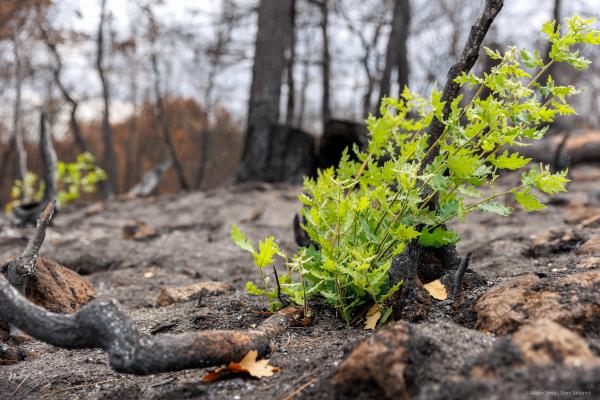
Europe works to prevent wildfires and make forests and landscapes more resilient
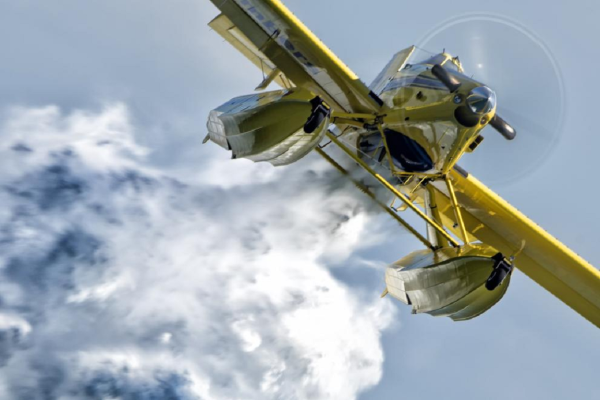
Europe works together to protect people and respond when wildfires overwhelm national capacity
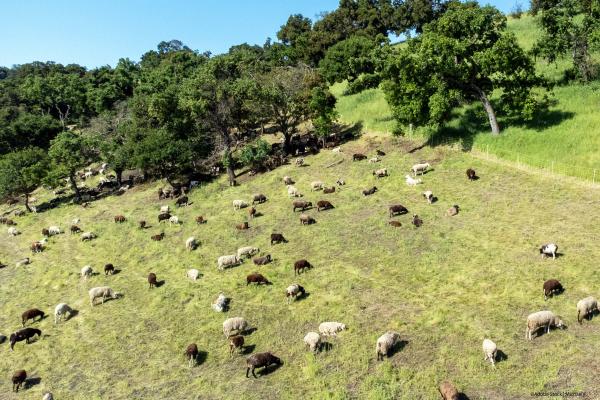
Farmers and forest holders play an important role in risk management
New 2026 strategy to better tackle the rising wildfire threat
In March 2026, the Commission presented a new integrated approach to wildfire risk management, responding to the growing threat posed by increasingly severe wildfire seasons. In line with the preparedness union strategy, the new approach provides guidance on how to better prevent, prepare for, respond, and recover from wildfires.
- Prevention and reducing risksReducing risks through better land and forest management, nature restoration, public awareness and other measures that make landscapes more resilient.
- Preparedness: data, training, deployment in high-risk regionsImproving risk assessment, data, training, pre-positioning and operational capacity in areas facing high wildfire risk.
- Response: strengthening firefighting capacitiesEnsuring that firefighters, aircraft, experts and other resources can be mobilised quickly.
- Recovery: building back better to improve resilienceAssessing damage and supporting recovery and reconstruction in ways that reduce future wildfire risk and build greater resilience.
Early warning systems and satellite tracking to detect wildfires
The EU supports Member States with tools, guidance and knowledge to identify wildfire risks, manage landscapes and forests more effectively, and detect fires early.
To identify dangerous conditions earlier and give firefighters better information on where the fires are spreading, the EU uses