
"This report comes during a unique window of opportunity. We have heard from parents, educators, experts, and young people themselves. We have heard the experience from partners as well as our Member States. Now we need action at European level."
Ursula von der Leyen, President of the European Commission
Special panel report
As announced in the 2025 State of the Union address, President von der Leyen set up a special panel of experts to develop a strong and practical European approach to keep children safe online.
The panel's co-chairs presented their final report in July 2026. The report highlights the critical challenges children face online and provides recommendations and inspiration on better protecting and empower them, as well as on the age-appropriate use of social media and other digital services.
Building on the work of the panel, the Commission has proposed the EU KIDS Act to help build a safer internet for children.

Background
The panel has brought together young people and experts from across the EU, including in health, neuroscience, psychology, computer science, child rights, and digital literacy.
From March to June 2026, the panel met three times to explore both the opportunities and the risks of children spending time online. Discussions looked at how to better support parents and caregivers, while highlighting key lessons and good practices from across the EU and beyond.
The panel discussions have been based on the latest research and real-life experiences of children and families.
Insights from young people and citizens – via initiatives such as the President’s Youth Advisory Board and Citizens’ Panels – have been a key part of this work.

 Online safety of children
- the best EU-wide approach to keeping children safe online
- a common EU age limit for social media with protections adapted to age and risk
- education to encourage safe and responsible use of social media
 Children's use of online platforms
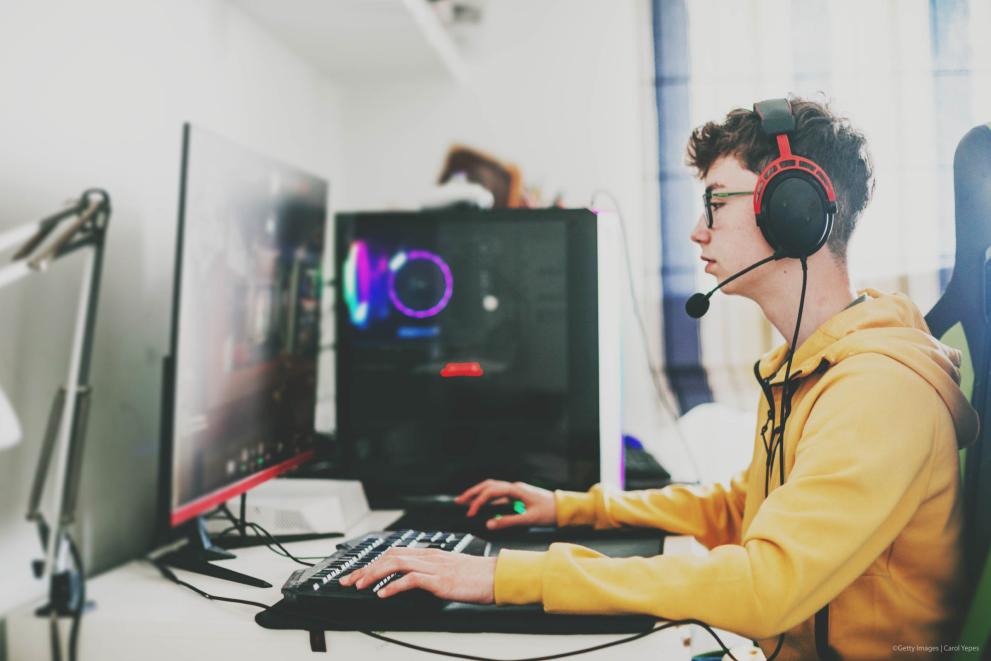
- risks and benefits of children's use of social media, gaming, messaging apps and AI tools
- effects on their health and wellbeing at different ages
 Responsibility of online platforms
- responsibility of tech companies in protecting children
- ways to strengthen existing safety measures
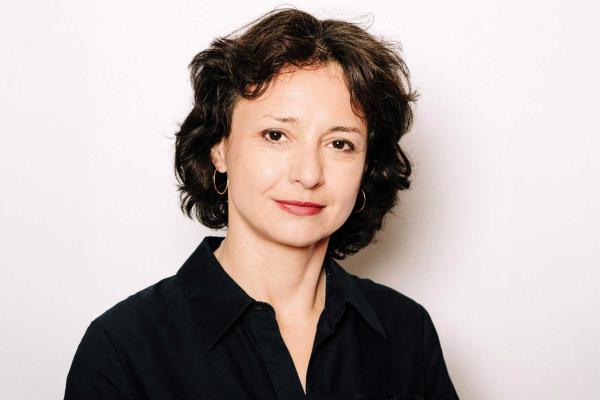
Director at the French National Institute of Health and Medical Research
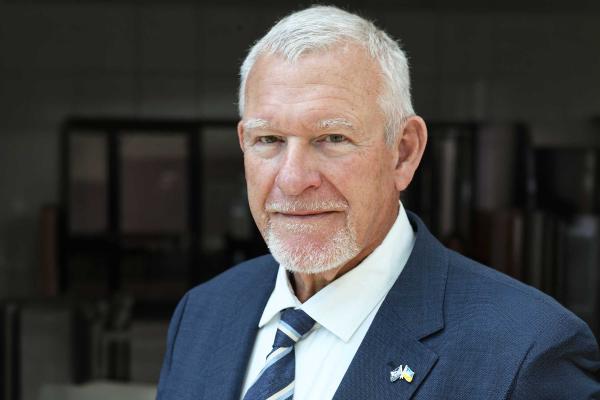
Director of the Department of Child and Adolescent Psychiatry, Psychosomatics and Psychotherapy at Ulm University Medical Centre
Participants in the first meeting
Kimmo Alho, Emeritus of psychology at University of Helsinki, specialised in cognitive neuroscience, brain mechanisms of attention and function in digital spaces
Leanda Barrington-Leach, Executive Director, 5Rights Foundation
Gabriele Battimelli, BIK+ ambassador Italy
Elena Bozzola, paediatrician and Secretary and National Councillor of the Italian Society of Paediatrics (online participation)
Matthias Brand, Head of Department of Psychology, Duisburg University
Jutta Croll, Chairwoman of the Board of Stiftung Digitale Chancen
Sigge Eriksson, National Council of Swedish Children and Youth Organisations, Sweden
Jeff Hancock, Founding Director, Stanford Social Media Lab (online participation)
Pavel Kordik, Associate Professor, Faculty of Information Technology CTU in Prague (online participation)
Marta Lamarosa Gonçalves, Better Internet for Kids+ ambassador Portugal
Sonia Livingstone, OBE, Professor of Social Psychology, Director of the Digital Future for Children Centre, London School of Economics
Elvira Mentzelioti, Hellenic National Youth Council, Greece
Servane Mouton, Medical doctor, neurologist and neuropsychologist
James O’Higgins Norman, Professor of Education and society, Director of anti-bullying centre, UNESCO Chair on Bullying and Cyberbullying
Maja Olszewska, BIK+ ambassador Poland
Brian O’Neil, Emeritus Professor at Technological University Dublin
Leo Pekkala, Digital literacy expert, Deputy Director of KAVI
Soledad Pera, Associate Professor, Web Information Systems group of the Faculty of Electrical Engineering, Mathematics and Computer Science TU Delft
Hanne-Mari Schiøtz Thorud, physiologist and Professor at the National Centre for Optics, Vision and Eye Care at the University of South-Eastern Norway
Lore Sleeckx, Flemish Youth Council
Piotr Toczyski, Researcher at SWPS University of Social Sciences and Humanities
Antonia Torrens, President, COFACE – Families Europe
Rareș Voicu, Senior policy and advocacy manager, European Youth Forum
Alexandra Weilenmann, Professor of Interaction Design, Head of Human-Computer Interaction Unit at the Department of Applied Information Technology at University of Gothenburg
Participants in the second meeting
Mehdi Arfaoui, Sociologist, Commission nationale de l'informatique et des libertés (CNIL) & École des hautes études en sciences sociales (EHESS)
Leanda Barrington-Leach, Executive Director, 5Rights Foundation
Tobiáš Bruno Galia, President’s Youth Advisory Board, Czech Council of Children and Youth
Urs Buscke, Senior Legal Officer, European Consumer Organisation (BEUC)
Alex Cooney, CEO & Co-founder, CyberSafeKids
María del Mar España Martí, Director Plataforma Control Z, Former Director of the Spanish Data Protection Agency (DPA)
Marina Fernández, President, Adolescencia lliure de movils
Louise Flynn, Assistant Professor in Teacher Education, Trinity College Dublin – School of Education
Catalina Goanta, Associate Professor in Private Law and Technology, Utrecht University (NL)
Rasmus Kjedahl, Director, Børns Vilkår
Petra Kogelnig, Secretary-General, European Parents’ Association
Marta Lamarosa Gonçalves, Better Internet for Kids (BIK)+ Youth Ambassador
Giovanna Mascheroni, Professor, Department of Communication, Catholic University Milan
Helen Mason, Executive Director, Child Helpline International
Servane Mouton, Medical Doctor, Neurologist and Neuropsychologist
María Soledad Pera, Associate Professor, Web Information Systems group of the Faculty of Electrical Engineering, Mathematics and Computer Science TU Delft
Tanja Petelin, Lecturer, Faculty of Law, Université de Poitiers
Jessica Piotrowski, Professor, Amsterdam School of Communication, University of Amsterdam
Declan Qualter, Practice Placement Supervisor and PhD candidate, School of Education, University College Dublin
Judith Simon, Professor for Ethics in Information Technologies, University of Hamburg
Petr Slovak, Associate Professor in Human Computer Interaction, King's college London
Elisabeth Staksrud, Professor, Department of Media and Communication, University of Oslo
Sophie Stalla-Bourdillon, Research Leader, Law, Science, Technology & Society Research Group, VUB
Argyris Stringaris, Professor, Child and Adolescent Psychiatry, University College London
Lisa Thorell, Professor, Department of Clinical Neuroscience, Karolinska Institutet
Martina Tóthová, President’s Youth Advisory Board; Youth Council of Slovakia
Mieke Visser-Schuurman, Director of Child Rights & Capacity Building, Eurochild
Niels Zagema, President’s Youth Advisory Board; Nationale Jeugdraad
Participants in the third meeting
- Louise Heeran Flynn, Assistant Professor in Teacher Education, Trinity College Dublin – School of Education
- Lies Craeynest, Founder, KidsUnplugged
- Jutta Croll, Chairwoman of the Board of Stiftung Digitale Chancen
- Alberto Monge Roffarello, Assistant Professor, Politecnico di Torino
- Kai Rannenberg, Chair of Mobile Business and Multilateral Security, Goethe University Frankfurt
- Christoph Pieh, Head of Department, University for Continuing Education Krems
- Urs Buscke, Senior Legal Officer, European Consumer Organisation (BEUC)
- Théo Mouhoud, Child Psychiatrist, Hopitaux de Paris
- Eva Möhler, Chair and Clinical Doctor of Child and Adolescent Psychiatry
- Kerstin Paschke, Medical Specialist in Child and Adolescent Psychiatry and Psychotherapy
- Petra Kogelnig, Secretary-General, European Parents’ Association
- Laura Vandenbosch, Associate professor and Director of the Media Psychology Lab, KU Leuven
- Sørine Vesth Rasmussen, Advisor on children’s rights and tech policy, Børns Vilkår
- Marta Lamarosa Gonçalves, Better Internet for Kids (BIK)+ Youth Ambassador
- Dimitris Tsalavos, BIK Youth Ambassador
- Anna Schwabegger, Chair of the Austrian National Youth Council
- Aisling Maloney, PYAB and National Youth Council of Ireland
- Maya Katkovska,Head, Latvian Safer Internet Centre
- Konstantinos Karachalios, Advisor to the Executive Director, IEEE and Board Member, 5Rights Foundation
- Mie Oehlenschlager, Independent researcher and advisor (DK)
- Ana Caballero, Chair, Expert Group to improve the protection of minors in the digital realm
- Lisa Thorell, Professor, Department of Clinical Neuroscience, Karolinska Institutet
- Servane Mouton, Medical doctor, neurologist and neuropsychologist
- Owen Bennett, Independent expert in the regulation of digital technologies (UK)
- Lucas Borges, Superintendent of Regulation, Brazilian Data Protection Agency
- Giovanna Mascheroni, Professor, Department of Communication, Catholic University Milan
- Beckett LeClair, Head of Technology, 5Rights Foundation
- Ayata, 15-year-old representative of the EU Children's Participation Platform
- Zuzanna, 17-year-old representative of the EU Children's Participation Platform
Documents
- Доклад на специалната група: „Безопасност на децата онлайн: защита и овластяване на малолетните и непълнолетните лица в цифровия свят“
- Informe del grupo especial: «Seguridad infantil en línea: proteger y empoderar a los menores en un mundo digital»
- Zpráva zvláštního panelu: „Bezpečnost dětí na internetu: Ochrana a posílení pozice nezletilých osob v digitálním světě“
- Rapport fra det særlige panel: "Børns sikkerhed online: Beskyttelse og styrkelse af mindreårige i en digital verden"
- Bericht des Sonderausschusses: "Online-Sicherheit von Kindern: Schutz und stärkung von minder-jährigen in einer digitalen welt"
- Spetsiaalse ekspertide töörühma aruanne: „Laste turvalisus internetis: alaealiste kaitse ja võimestamine digimaailmas“
- Έκθεση της ειδικής ομάδας: «Ασφάλεια των παιδιών στο διαδίκτυο: Προστασία και ενδυνάμωση των ανηλίκων σε έναν ψηφιακό κόσμο»
- Rapport du groupe spécial d’experts: "La sécurité des enfants en ligne : Protéger les mineurs dans un monde numérique et renforcer leur capacité d'agir"
- Tuarascáil ón bpainéal speisialta: ‘Sábháilteacht leanaí ar líne: Mionaoisigh a chosaint agus a chumhachtú i saol digiteach’
- Izvješće posebnog odbora: „Sigurnost djece na internetu: Zaštita i sigurno snalaženje maloljetnika u digitalnom svijetu”
- Relazione del panel speciale: "Sicurezza dei minori online: proteggere e responsabilizzare i minori nel mondo digitale"
- Īpašās ekspertu grupas ziņojums “Bērnu drošība tiešsaistē: nepilngadīgo aizsardzība un iespēcināšana digitālā pasaulē”
- Specialiosios grupės ataskaita „Vaikų saugumas internete. Nepilnamečių apsauga ir įgalinimas skaitmeniniame pasaulyje“
- Az online gyermekbiztonsággal foglalkozó különleges testület jelentése: „Online gyermekvédelem: A kiskorúak védelme és tudatosságra nevelése a digitális világban”
- Ir-rapport tal-bord speċjali: "Child Safety Online: Protecting and Empowering Minors in a Digital world"
- Verslag van het speciaal panel: “Onlineveiligheid van kinderen: Minderjarigen beschermen en empoweren in een digitale wereld”
- Sprawozdanie specjalnego panelu pt. „Bezpieczeństwo dzieci w internecie: ochrona i wzmocnienie pozycji małoletnich w świecie cyfrowym”
- Relatório do painel especial: «Segurança das crianças em linha: Proteger e capacitar os menores no mundo digital»
- Raportul grupului special de experți: „Siguranța copiilor în mediul online: protejarea și sprijinirea minorilor într-o lume digitală”
- Správa osobitného panelu: „Bezpečnosť detí online: ochrana a posilnenie postavenia maloletých v digitálnom svete“
- Poročilo posebne skupine: „Varnost otrok na spletu: zaščita in opolnomočenje mladoletnikov v digitalnem svetu“
- Erityispaneelin raportti: ”Lasten verkkoturvallisuus: Alaikäisten suojeleminen ja voimaannuttaminen digimaailmassa”
- Den särskilda panelens rapport – ”Barns säkerhet på nätet: att skydda och stärka minderåriga i den digitala världen”
- Безопасност на децата онлайн: средства за защита и подкрепа на ненавършилите пълнолетие лица в цифровия свят
- Seguridad infantil en línea: proteger z empoderar a los menores en un mundo digital
- Bezpečnost dětí na interntu: ochrana a posílení postavení nezletilých osob v digitálním světě
- Børns sikkerhed online : beskyttelse og styrkelse af mindreårige I en digital verden
- Online-Sicherheit von Kindern: schutz und stärkung von minder-jährigen in einer digitalen welt
- Laste turvalisus internetis : kuidas tagada alaealistele digimaailmaskaitse ja tegutsemissuutlikkus
- Ασφάλεια τωνπαιδιών στοδιαδίκτυο: προστασια και ενδυναμωση των ανηλικων στον ψηφιακο κοσμο
- La sécurité des enfants en ligne: protéger les mineurs dans un monde numérique et renforcer leur capacité d'agir
- Sábháilteach leanaí ar line: mionaoisigh a chosaint agus a chumasú I saol digiteach
- Sigurnost djece na internetu – zaštita i autonomija maloljetnika u digitalnom svijetu
- Sicurezza dei minori online: proteggere e responsabilizzare i minori nel mondo digitale
- Bērnu drošība tiešsaistē: nepilngadība un iespēcināšana digitālā pasualē
- Vaikų saugumas internete: nepilnamečiu apsauga ir įgalinimas skaitmeniniame pasaulyje
- Online gyermekvédelem: a kiskorúak védelme és tudatosságra nevelése a digitális világban
- Sikurezzatat-tfalonline: protezzjoni u inkoraġġiment tal - minorenni f'dinja diġiti
- Onlineveiligheid van kinderen: minderjarigen beschermen en empoweren in eed digitale wereld
- Bezpieczeństwo dzieci w internecine: ochrona małoletnich I wzmocnienie ich pozycji w cyfrowym świecie
- Seguranças na Internet: proteger e capacitar os menores num mundo digital
- Siguranța copilor în mediul online: protejarea şi capacitarea minorilor într-o lume digitală
- Bezpečnosť detí online: ochrana maloletých a posilnenie ich postavenie v digitálnom svete
- Varnost otrok na spletu: zaščita in opolnomočenje mladoletnikov v digitalnem svetu
- Lasten verkkoturvallisuus: alaikäisten suojeleminen ja voimaannuttaminen digimaailmassa
- Barnsäkerhet på nätet: skydda och stärka minderåriga i en digital värld
This page was last updated on 13 July 2026