
- Raw material
any natural resource used in production
- Strategic raw material
a commodity essential for the EU’s economic and security interests
- Critical raw material
a strategic material whose supply is at high risk of disruption
Why are they important?
Metals, minerals, and natural materials are the building blocks of many products we use every day, from smartphones and cars to buildings and fertilisers. They are also essential for the technologies driving Europe’s green and digital transitions, such as batteries, wind turbines, solar panels and semiconductors, as well as for defence and space.
Critical raw materials are vital for the EU economy, but their supply is at high risk. For many critical raw materials, the EU relies on just one or a few countries. Trade restrictions, conflicts or natural disasters can quickly cut off supply.
Why do we need them?
Demand for raw materials is growing fast in Europe and worldwide. Secure access to them is key for
- the EU’s industrial competitiveness
- reaching 2030 climate and digital targets
- economic security


GalliumUsed in solar panels and computer chips. 77 % of the EU’s gallium comes from China. 
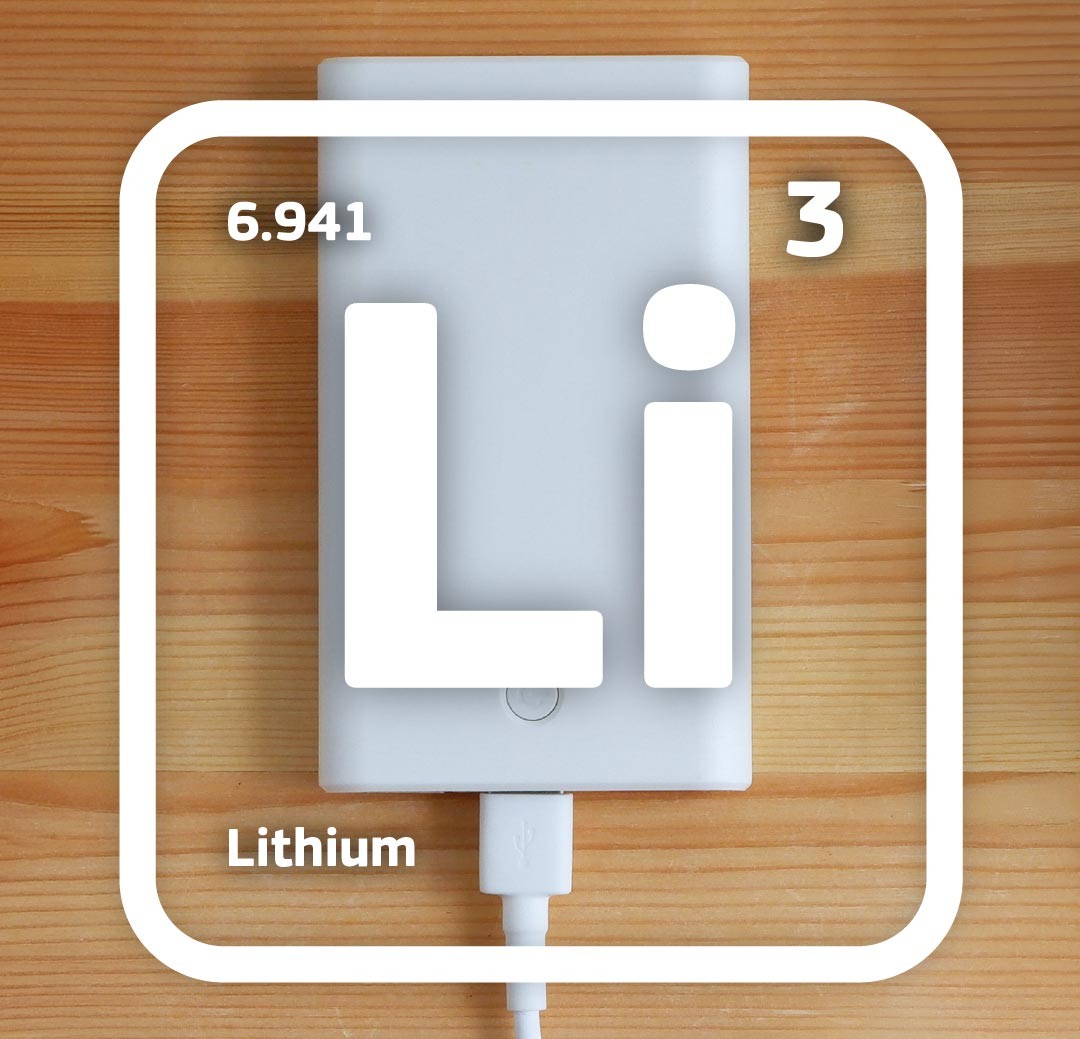
LithiumUsed in batteries for electric cars and smartphones. 79% of the EU’s lithium comes from Chile. 

BoronUsed in magnets for wind turbines. 98% of the EU’s borates comes from Türkiye. 
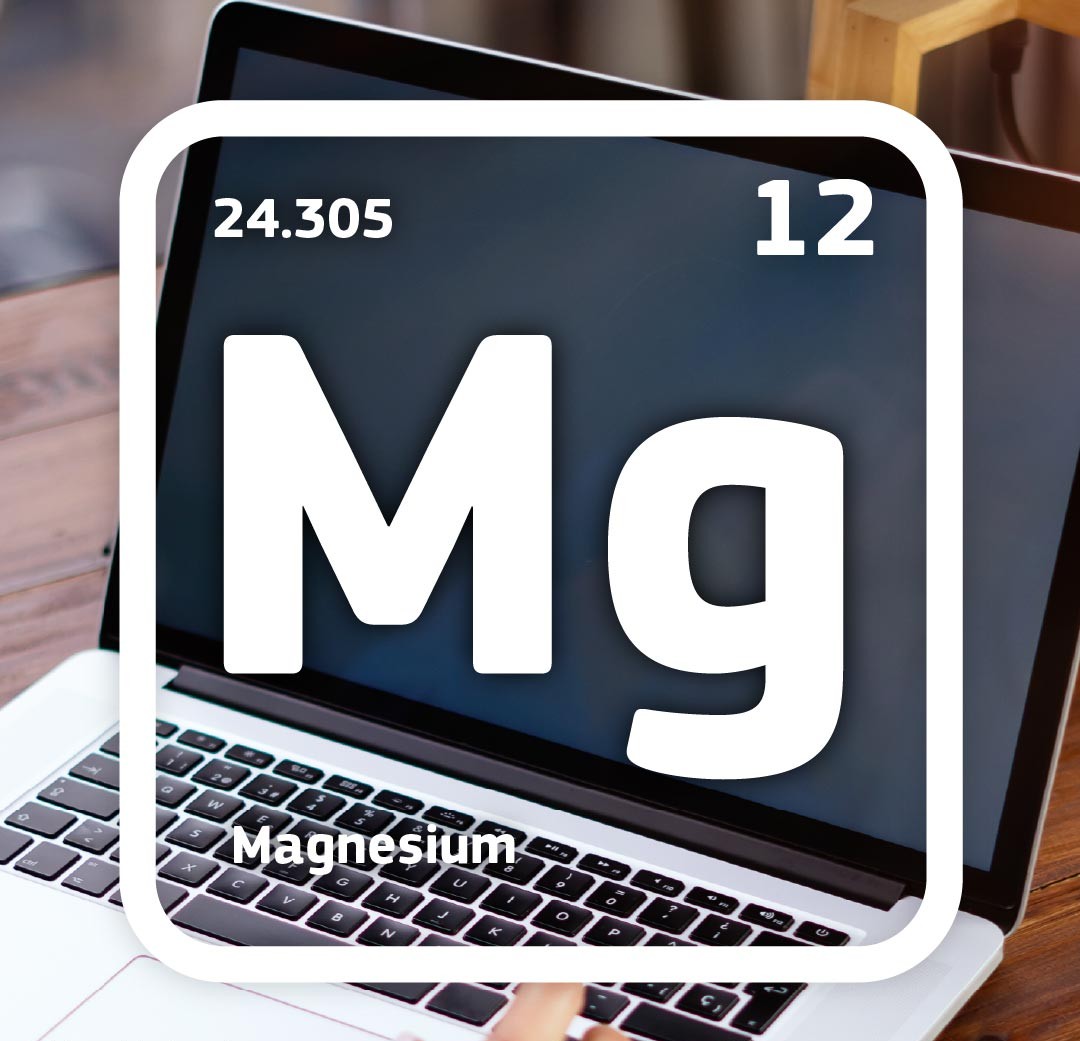
MagnesiumUsed to make cars and aircraft lighter. 97% of the EU’s magnesium comes from China.


Securing a sustainable supply of raw materials
The EU is sourcing, processing, and recycling more critical raw materials in Europe. At the same time, it is working with partners worldwide to make its supply chains more secure. This is key to reaching its climate and digital objectives.
Strengthening the EU’s critical raw materials framework
- 10%of the EU's annual needs for extraction
- 40%for processing
- 25%for recycling
- max 65%of the EU’s annual consumption from a single third country
Strengthening international cooperation
The EU works with partners around the world, at bilateral, regional and multilateral level to diversify its supply.
Building EU capacities with strategic projects
Critical raw materials strategic projects make a significant contribution to the EU's security of supply of strategic raw materials, which are especially important for clean, digital, defence, and space technologies.
Promoting a more sustainable and circular critical raw materials economy
Recycling has great potential to improve Europe's resource efficiency, even though it cannot meet EU industry's entire demand for raw materials.
The EU requires Member States to
- step up efforts to recover critical raw materials from waste products and mining waste
- increase the share of recycled critical raw materials in manufacturing
- improve the recyclability of rare earth permanent magnets