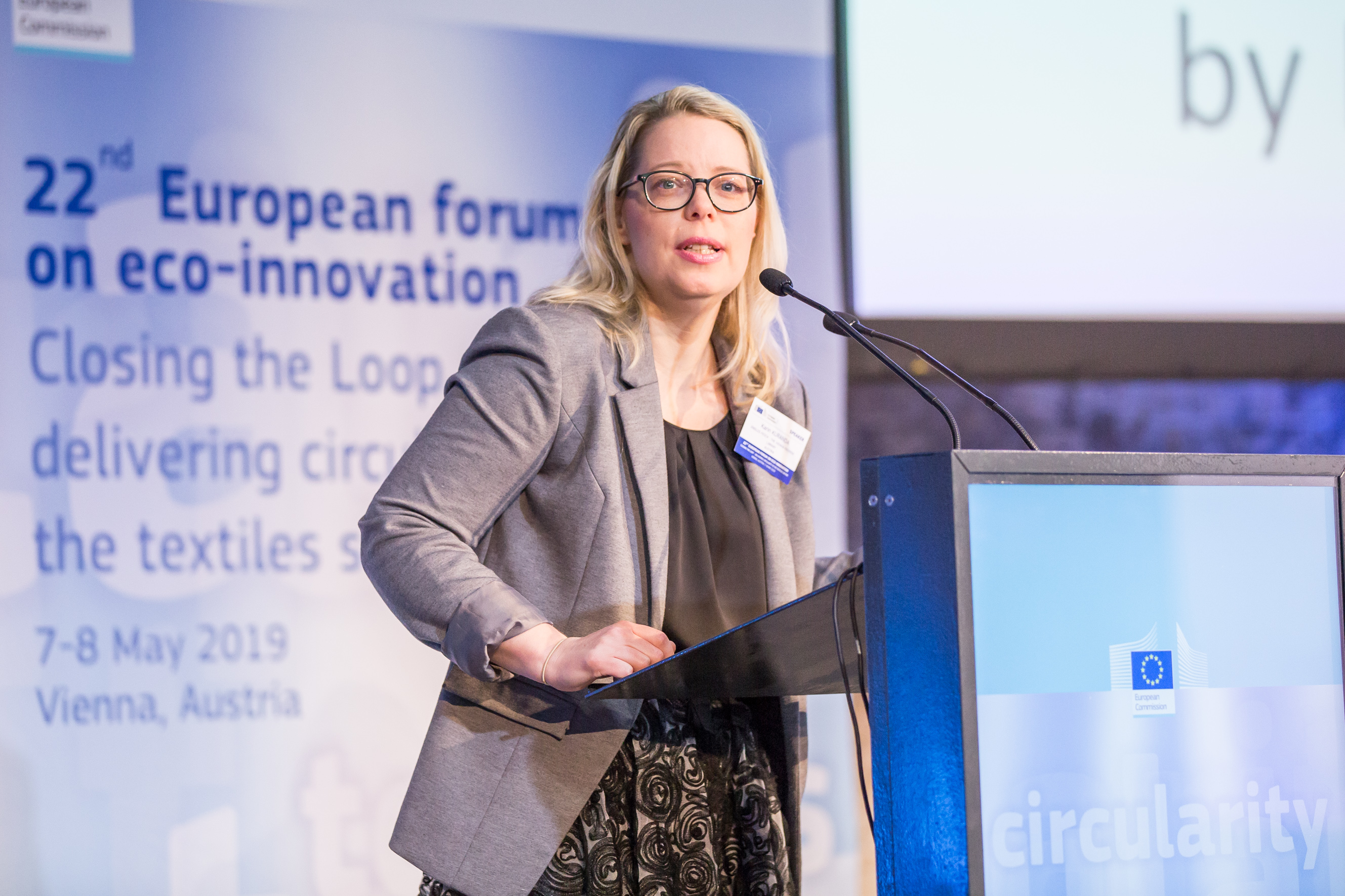
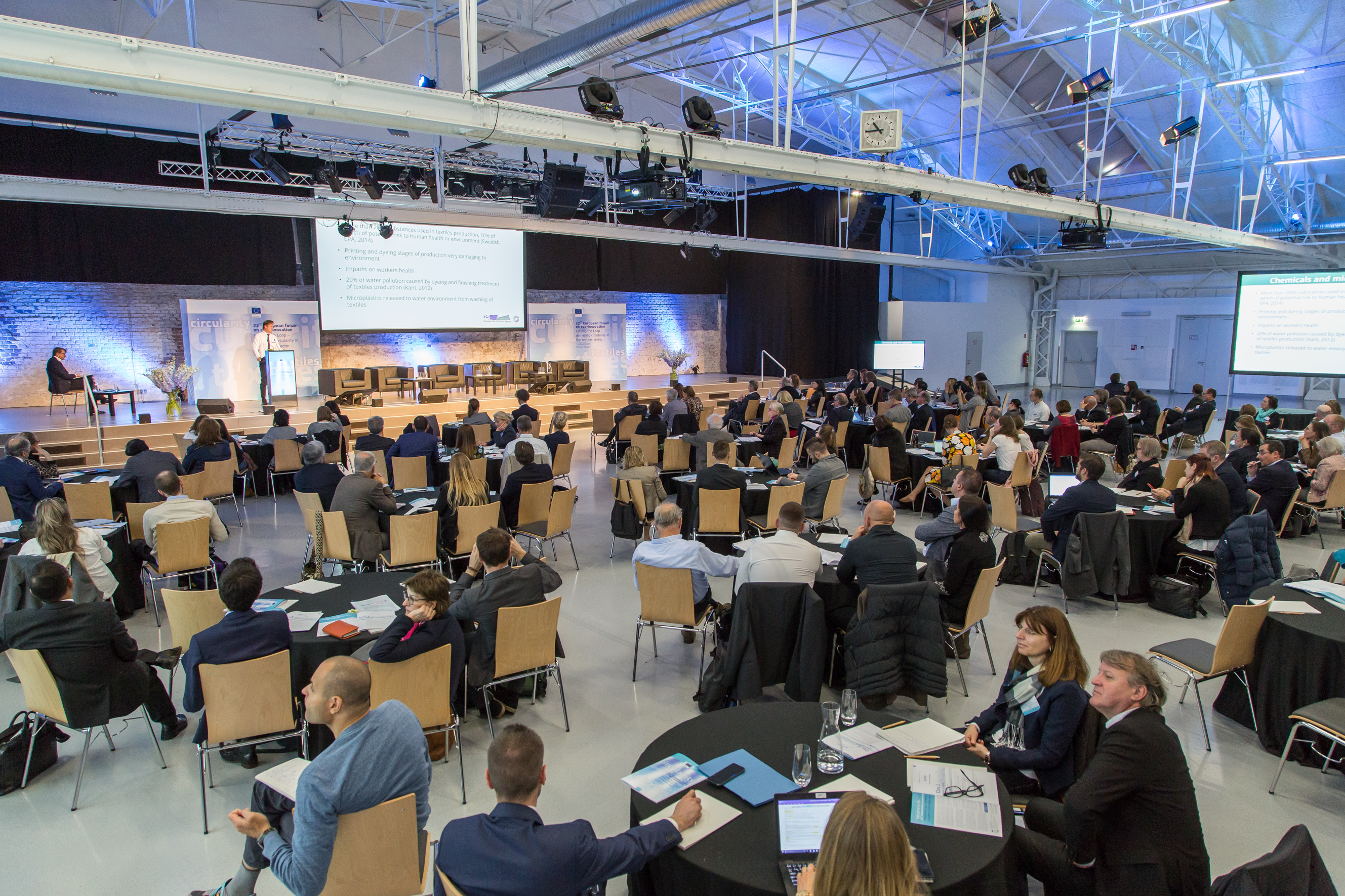
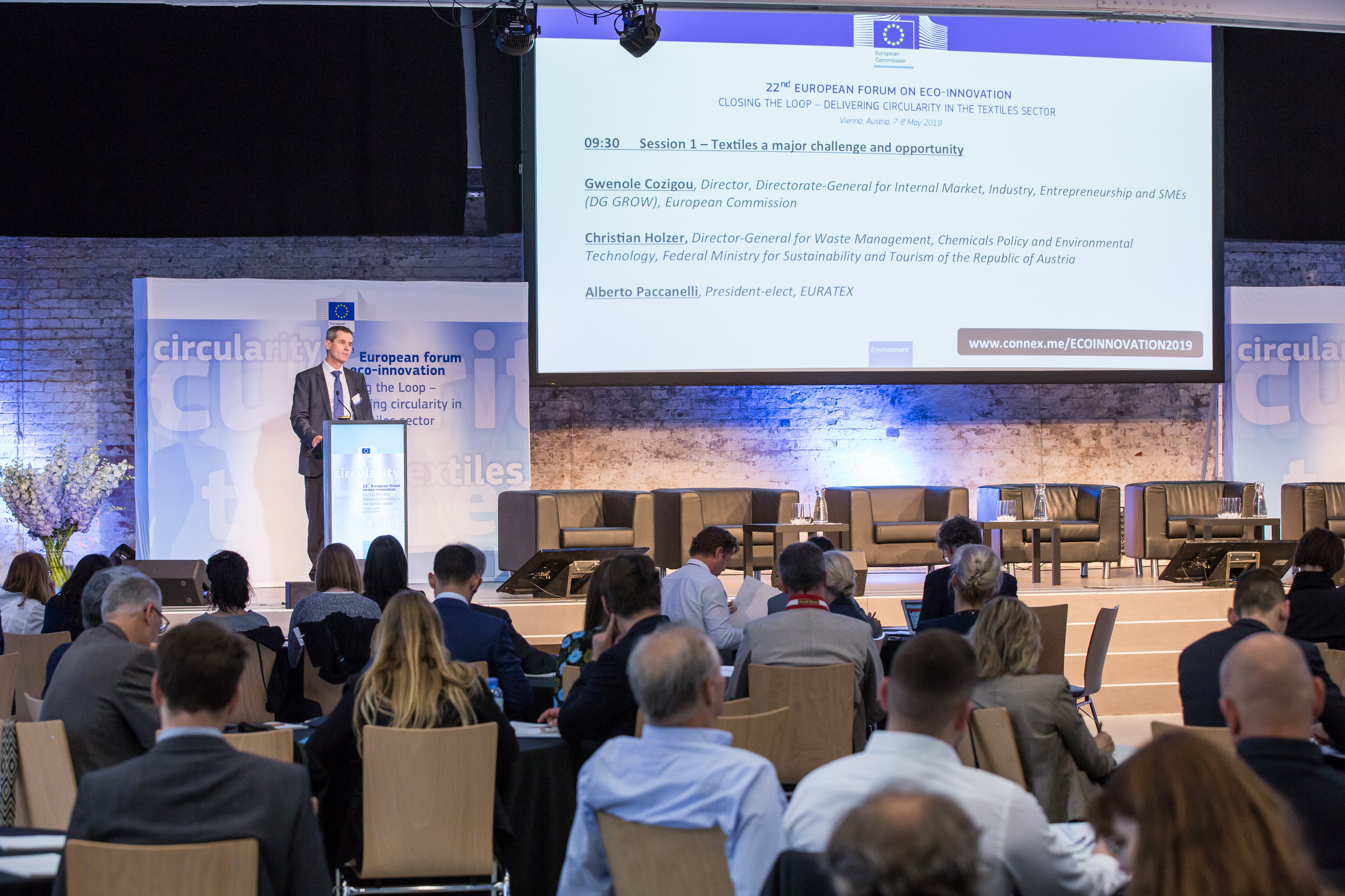
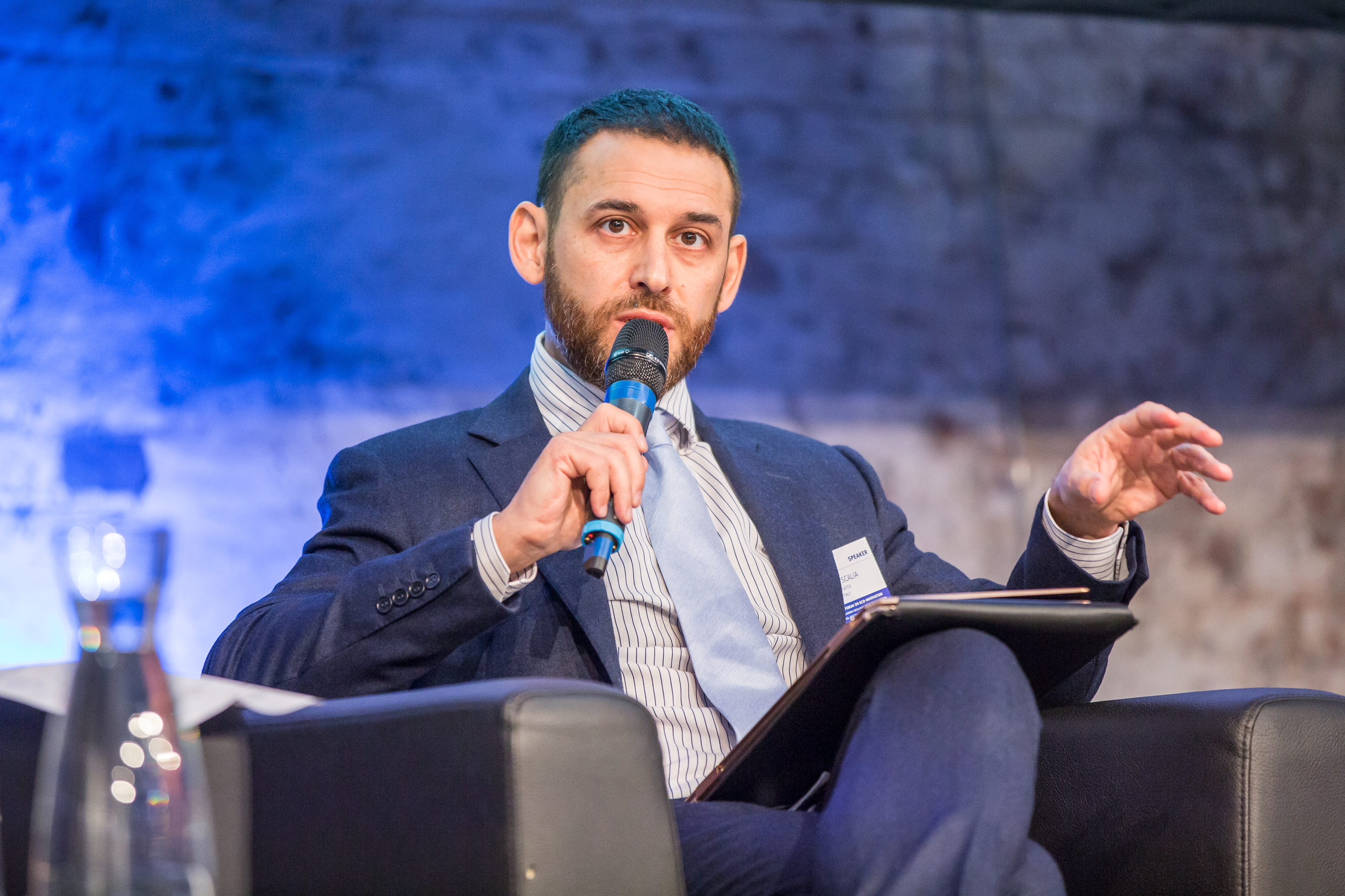
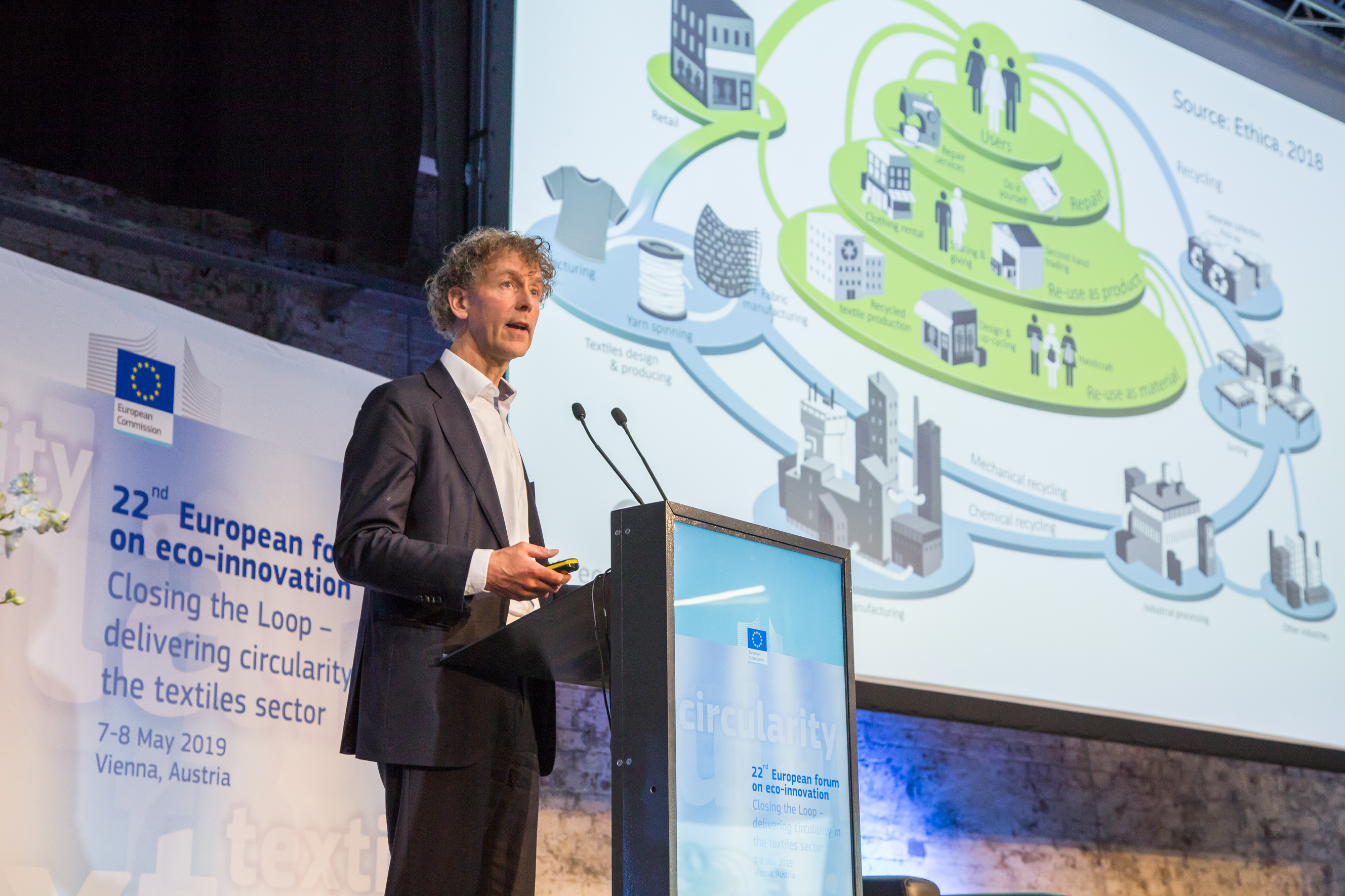
A highly successful “European Forum on Eco-innovation” took place in Vienna on 7-8 May. The event focused on delivering circularity in the textiles sector. The majority of the 36 speakers and case study presenters and the audience represented the private sector such as retailers, producers and waste management companies specialised in textiles.
- environmental policy | sustainable economic growth strategy | research policy | pollution control measures | circular economy | innovation | industrial policy | business policy | single market
- Tuesday 7 May 2019, 09:00 - Wednesday 8 May 2019, 13:30 (CEST)
- Wien, Austria
- Live streaming available
Media

027-2019-05-08-eco-innovation-forum.jpg027-2019-05-08-eco-innovation-forum.jpg 
146-2019-05-07-eco-innovation-forum.jpg146-2019-05-07-eco-innovation-forum.jpg 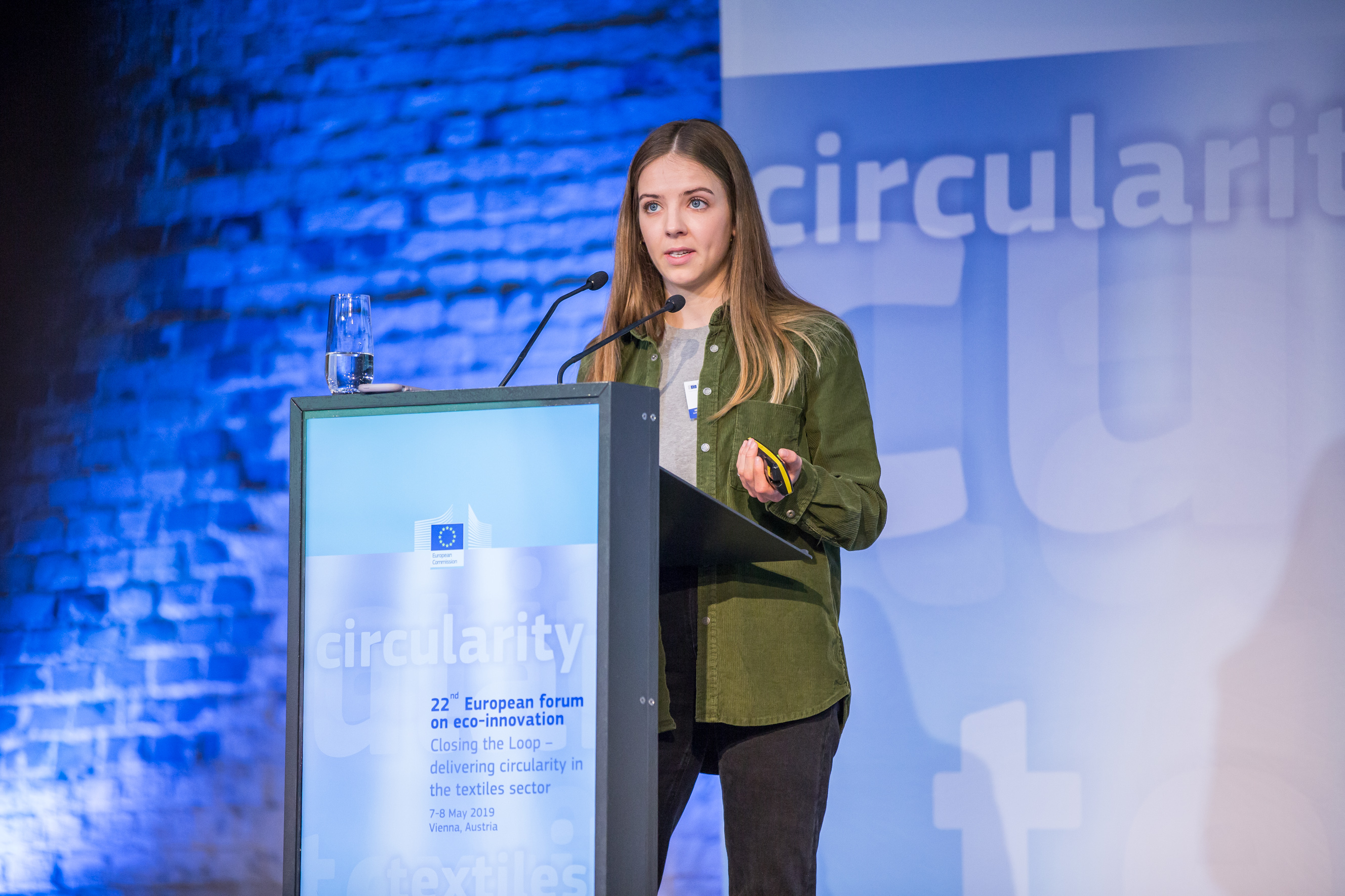
087-2019-05-08-eco-innovation-forum.jpg087-2019-05-08-eco-innovation-forum.jpg 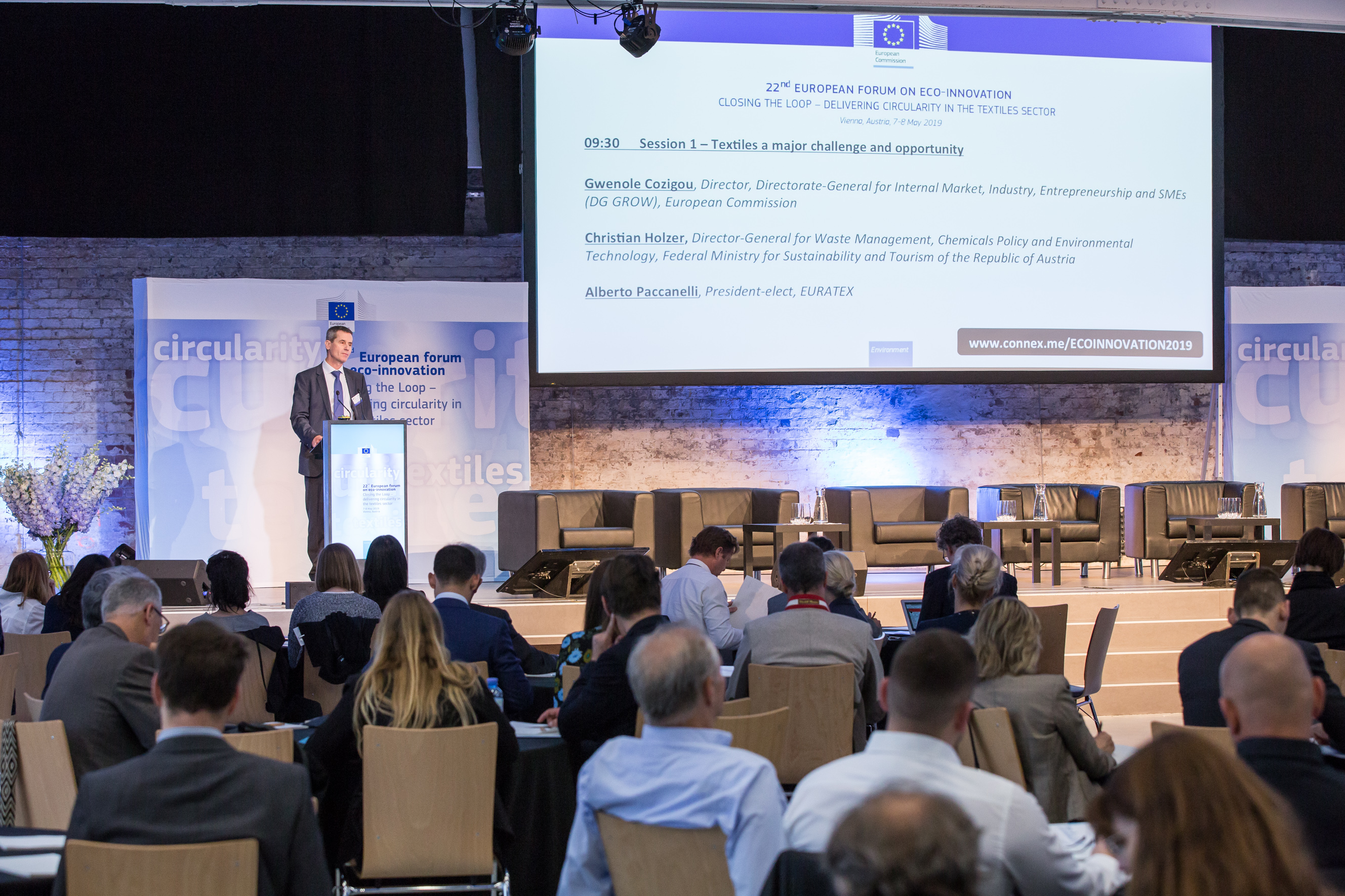
101-2019-05-07-eco-innovation-forum.jpg101-2019-05-07-eco-innovation-forum.jpg 
152-2019-05-08-eco-innovation-forum.jpg152-2019-05-08-eco-innovation-forum.jpg 
012-2019-05-08-eco-innovation-forum.jpg012-2019-05-08-eco-innovation-forum.jpg 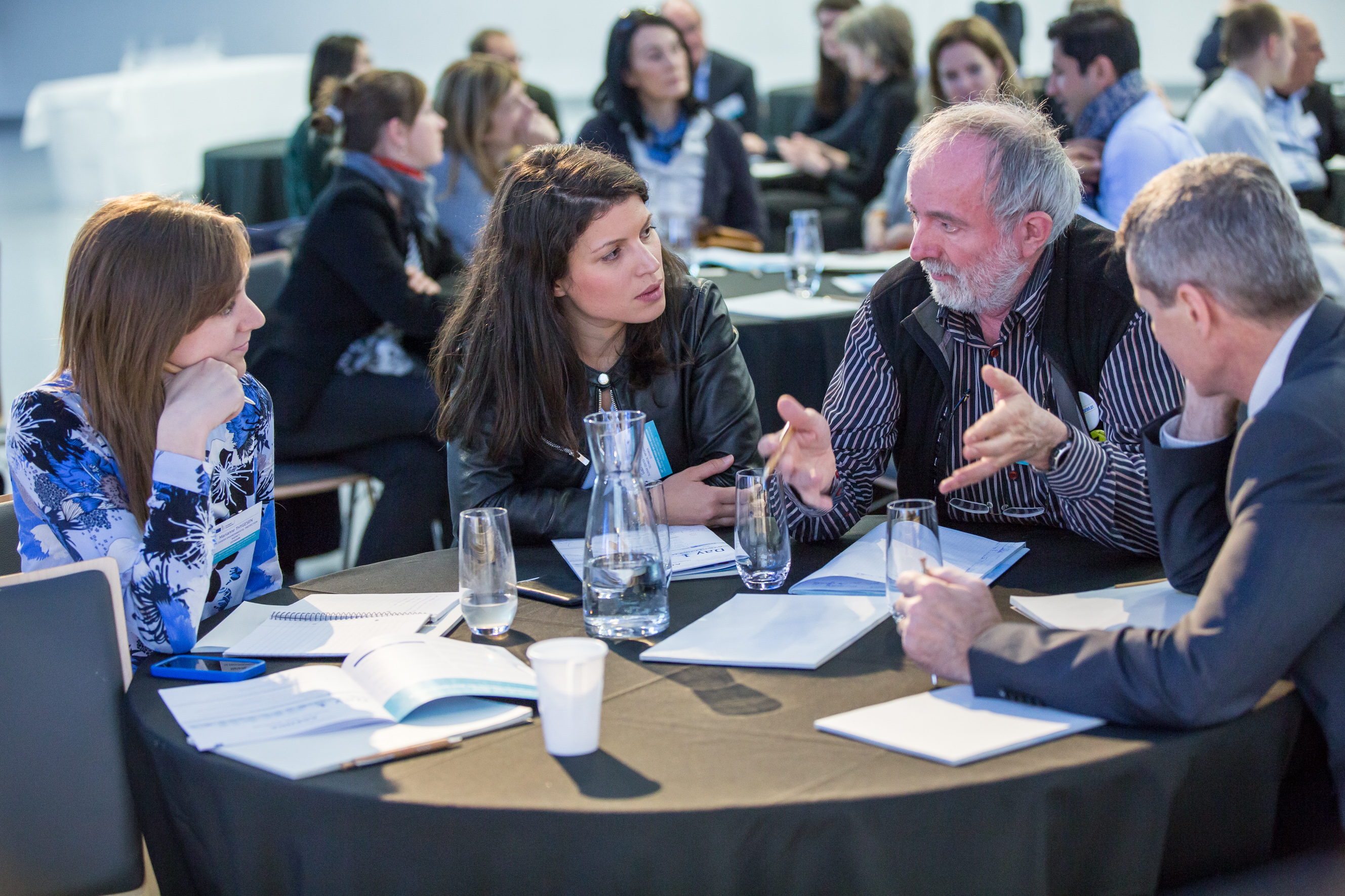
153-2019-05-07-eco-innovation-forum.jpg153-2019-05-07-eco-innovation-forum.jpg 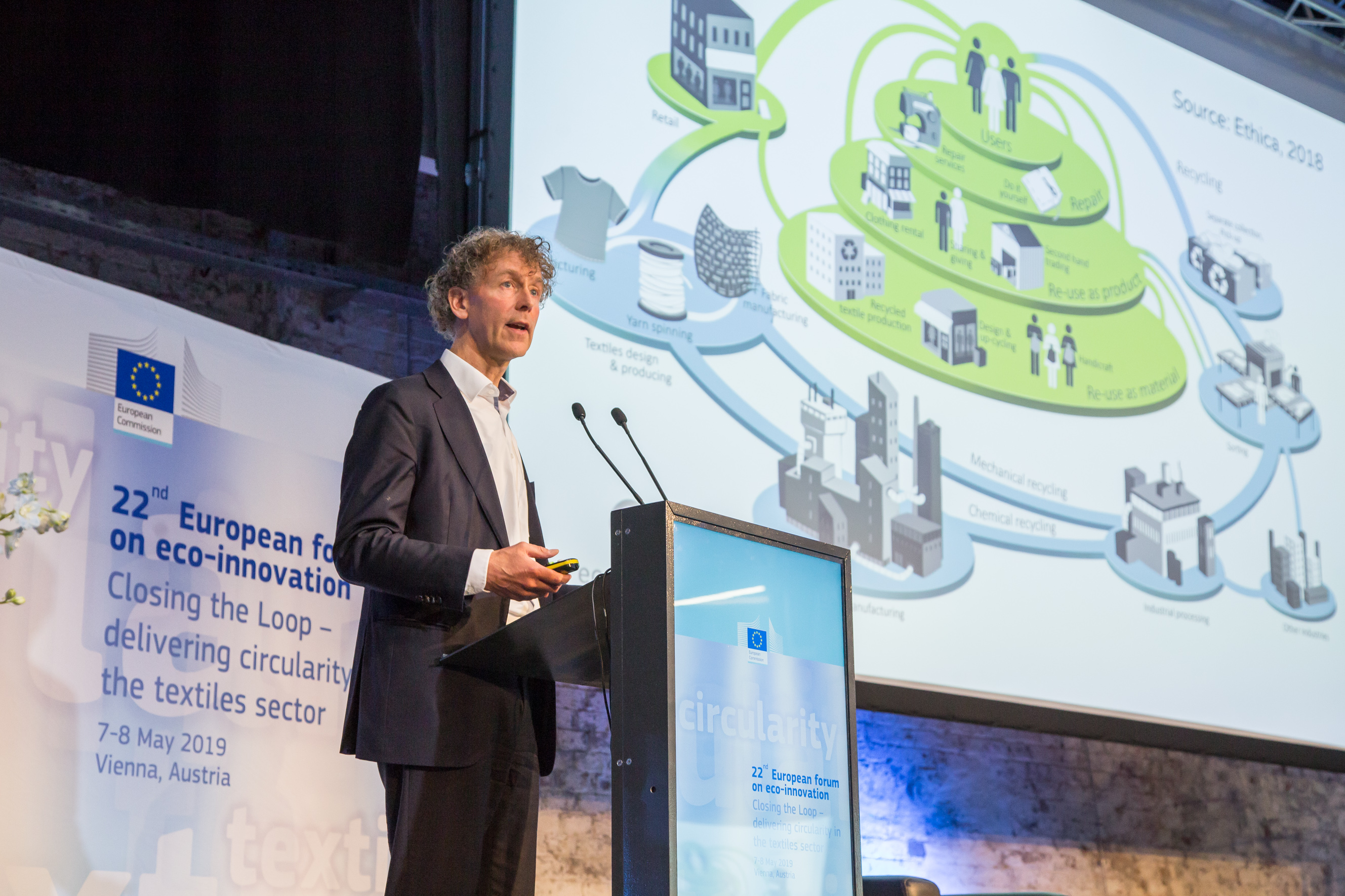
217-2019-05-07-eco-innovation-forum.jpg217-2019-05-07-eco-innovation-forum.jpg 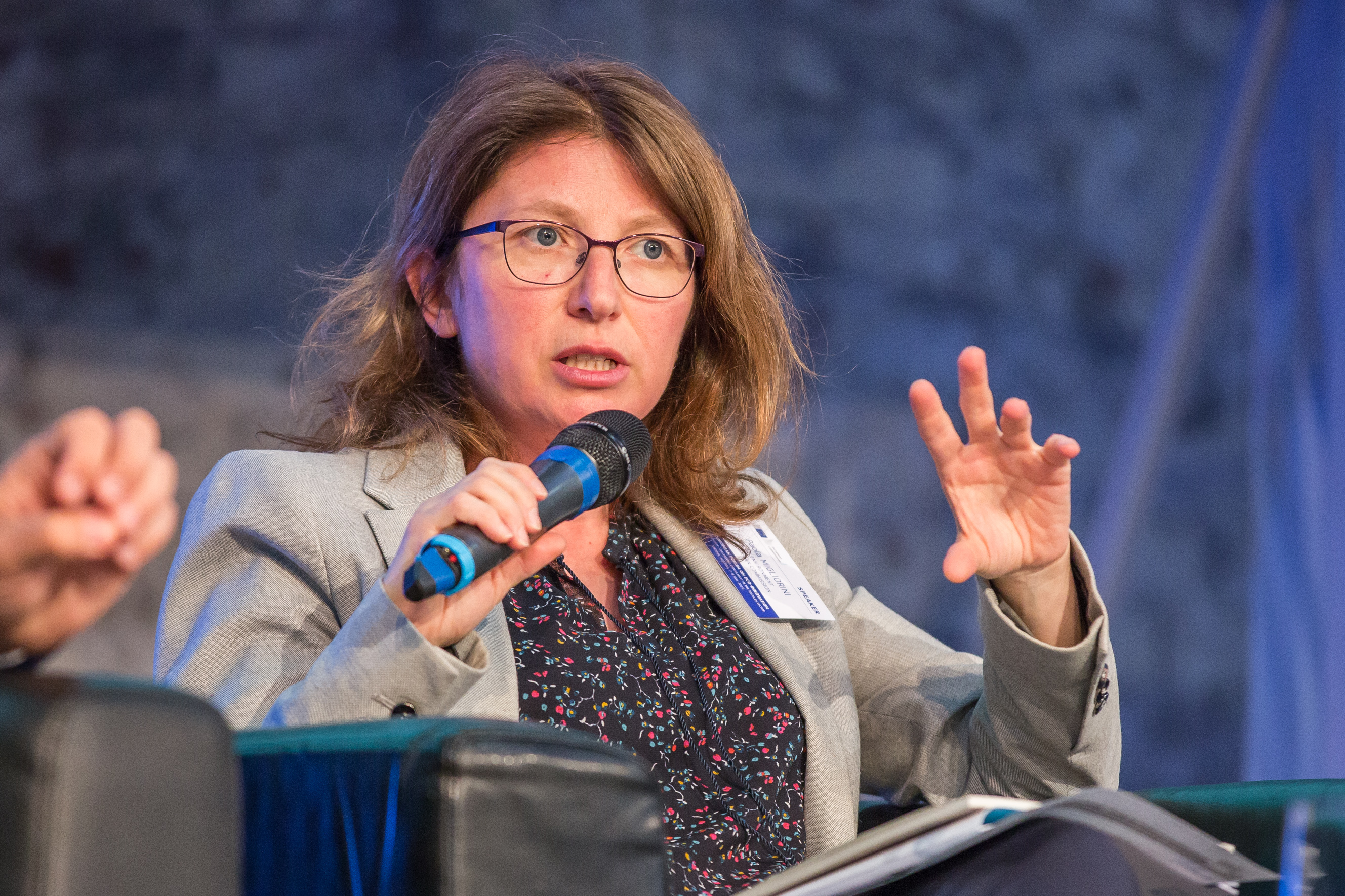
156-2019-05-08-eco-innovation-forum.jpg156-2019-05-08-eco-innovation-forum.jpg 
383-2019-05-07-eco-innovation-forum.jpg383-2019-05-07-eco-innovation-forum.jpg 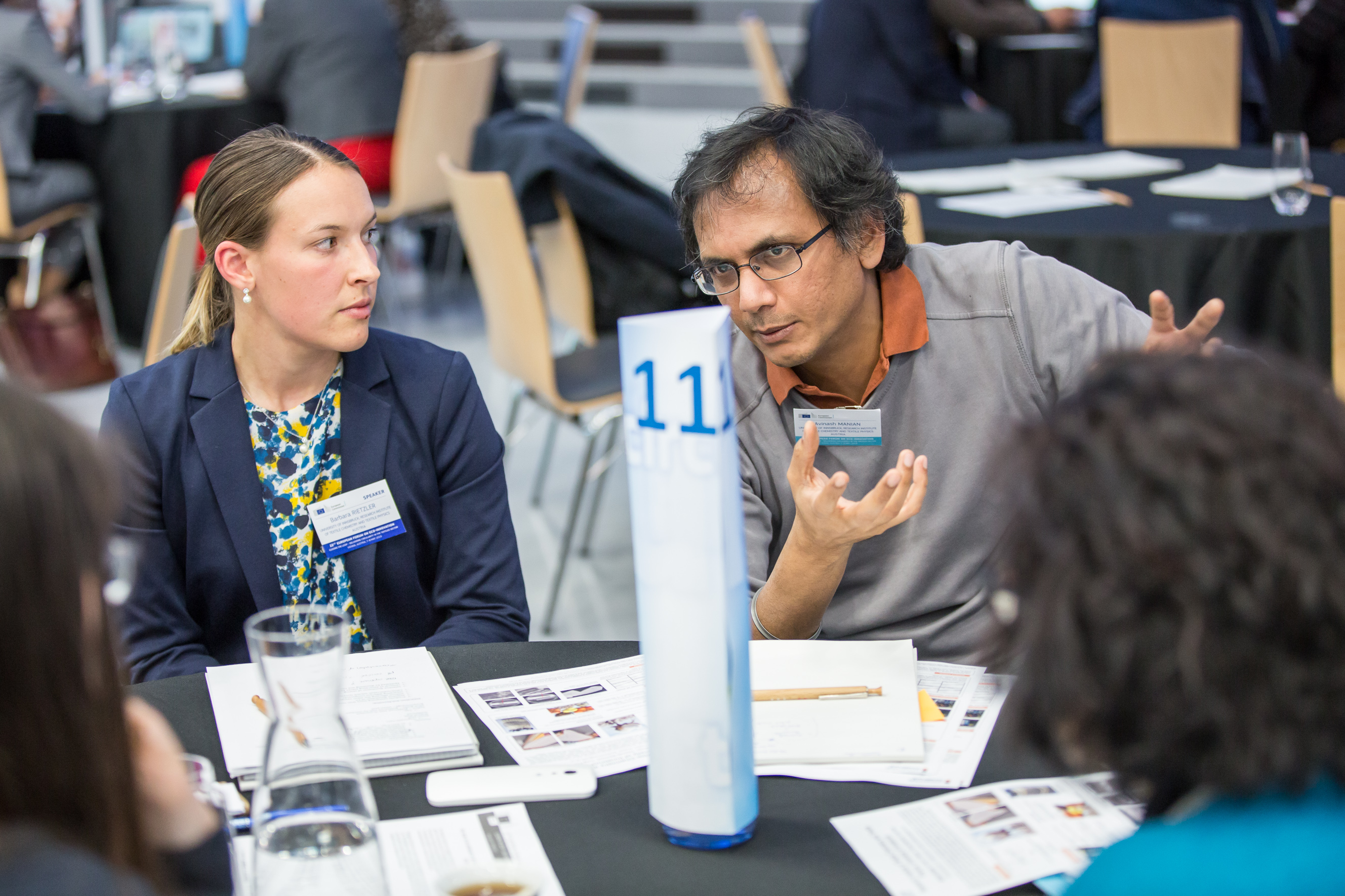
427-2019-05-07-eco-innovation-forum.jpg427-2019-05-07-eco-innovation-forum.jpg 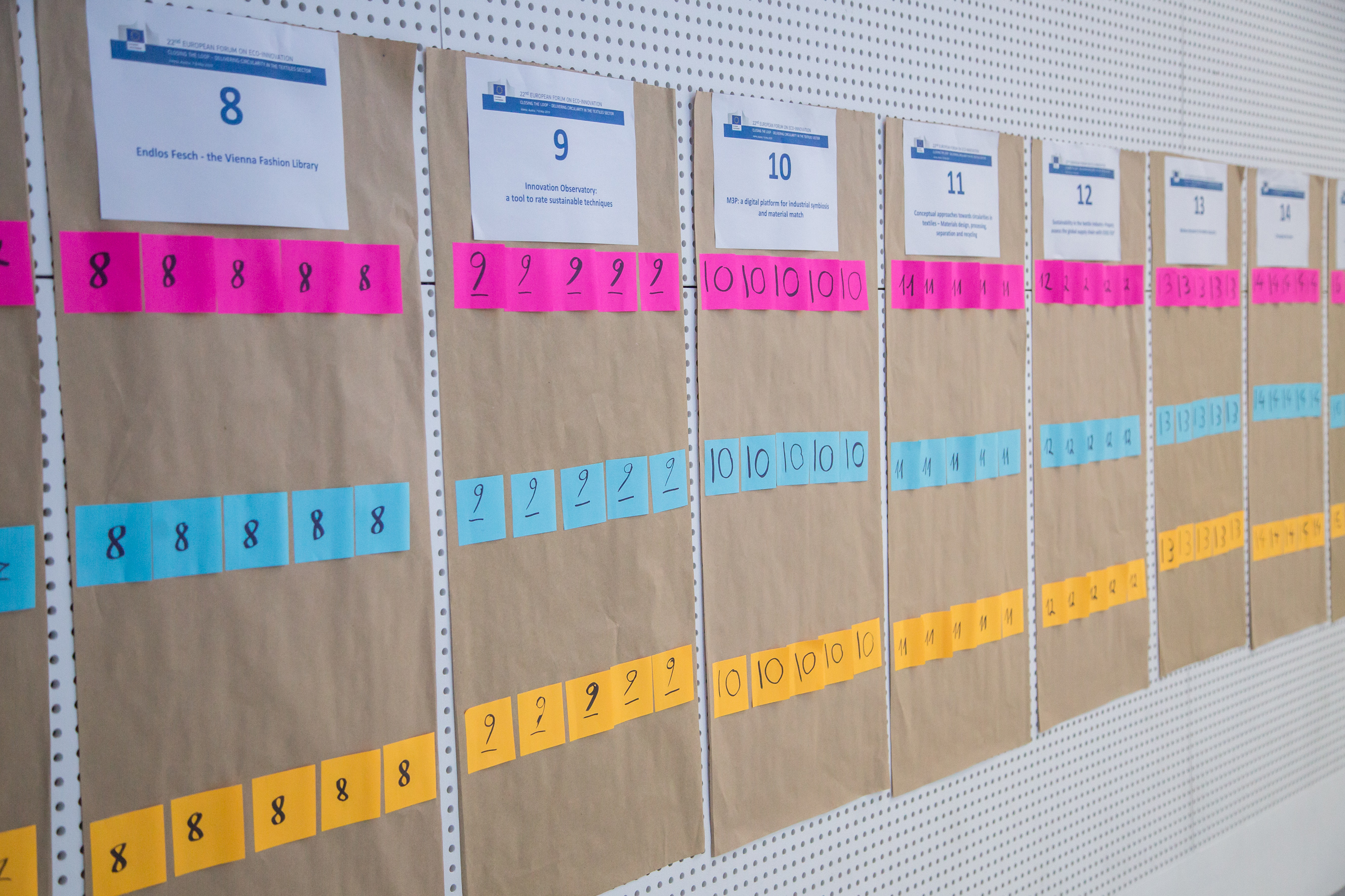
355-2019-05-07-eco-innovation-forum.jpg355-2019-05-07-eco-innovation-forum.jpg 
384-2019-05-07-eco-innovation-forum.jpg384-2019-05-07-eco-innovation-forum.jpg 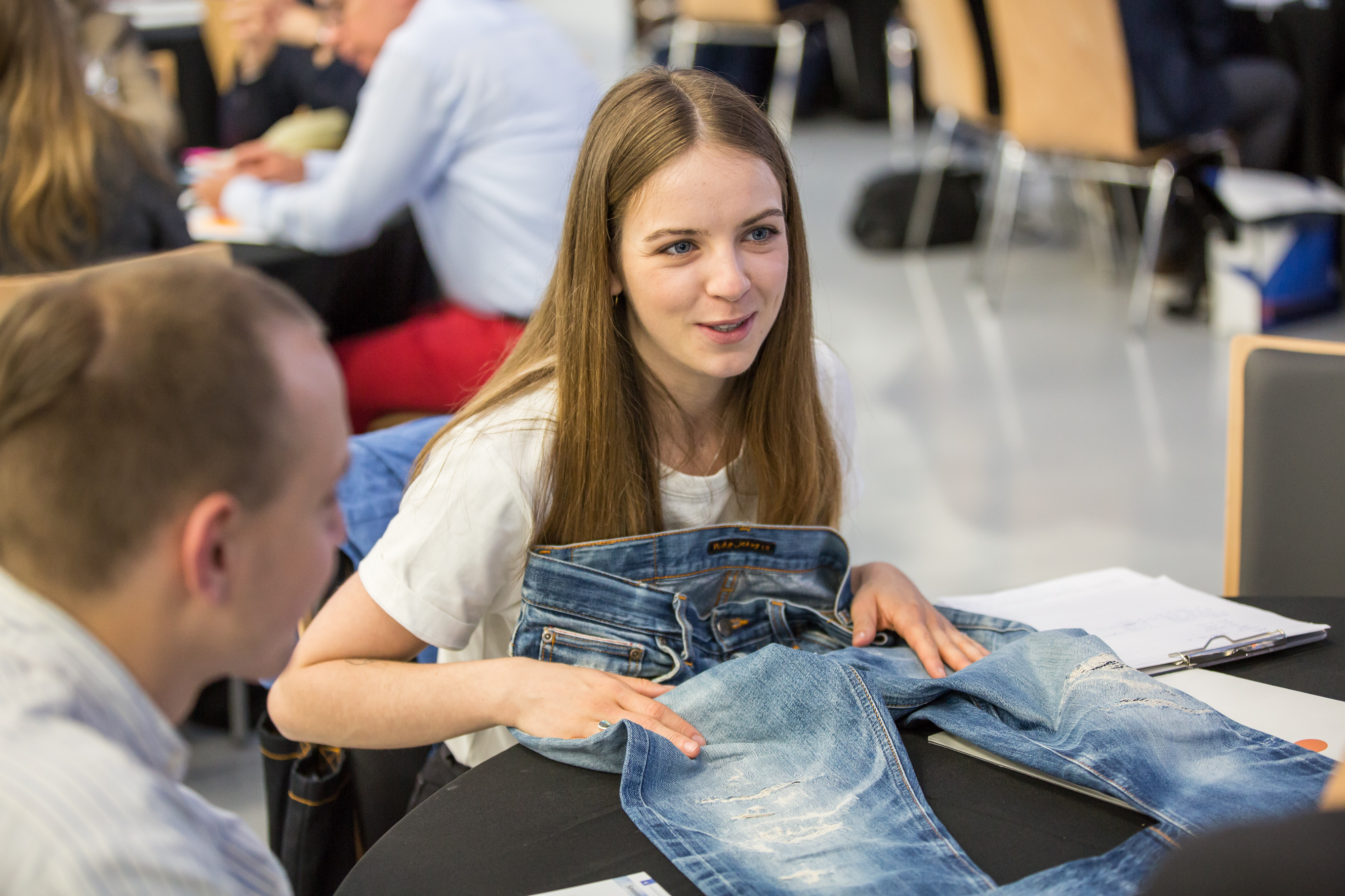
412-2019-05-07-eco-innovation-forum.jpg412-2019-05-07-eco-innovation-forum.jpg 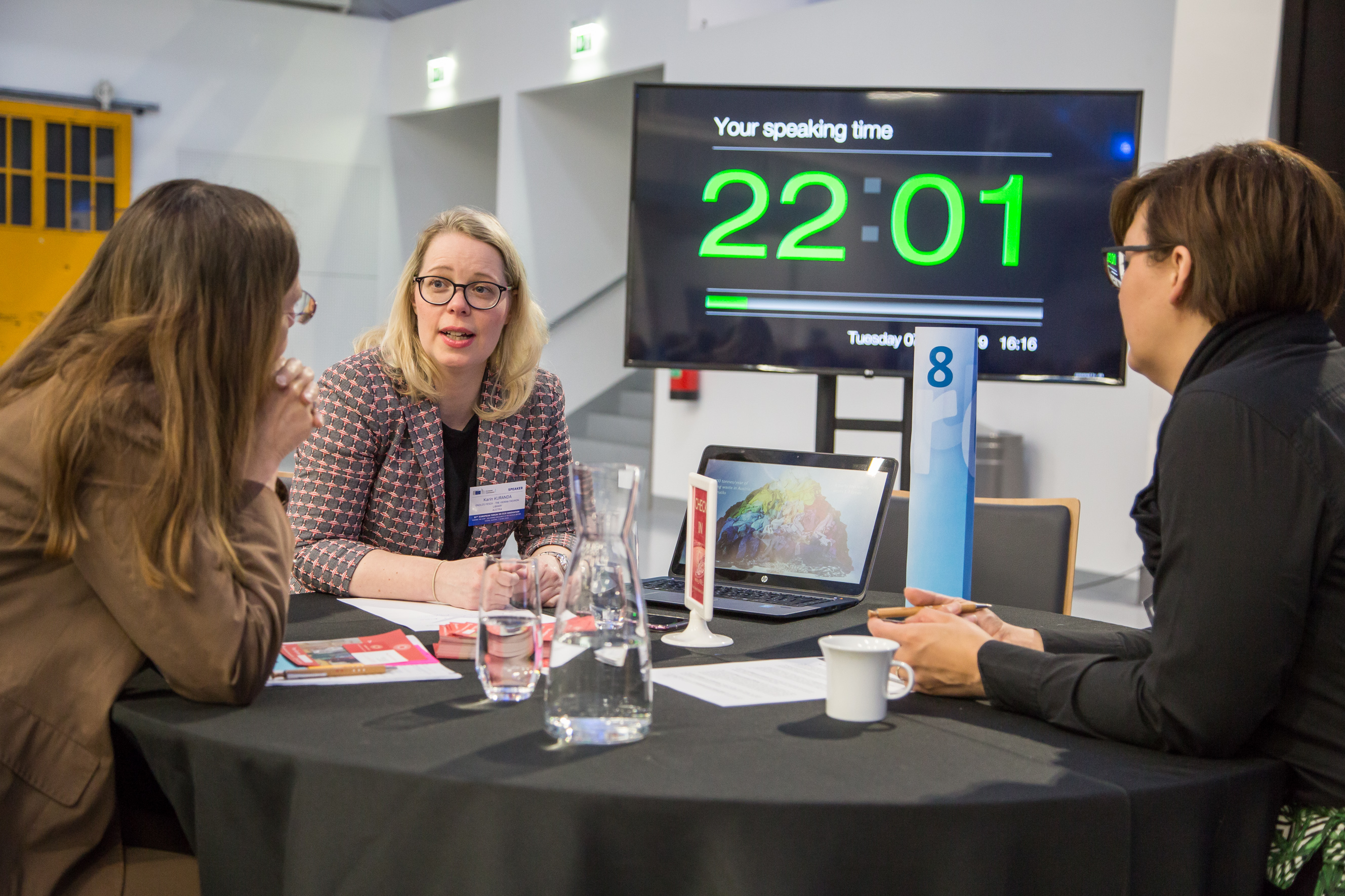
438-2019-05-07-eco-innovation-forum.jpg438-2019-05-07-eco-innovation-forum.jpg


Files
Practical information
- When
- Tuesday 7 May 2019, 09:00 - Wednesday 8 May 2019, 13:30 (CEST)
- Where
- Expedithalle WienExpedithalle Wien, Absberggasse 27, 1100 Wien, Austria
Report
The forum developed a set practical recommendations on priority issues and measures that the Commission and also EU countries should address for facilitating circularity in the textiles sector. These will be included in a comprehensive conference report that will be released shortly. The messages from the forum will directly feed into the proposals that European Commission will develop for further actions on the circular economy.
Some important points:
- The private sector started some circularity drive but very unevenly; strong need for government intervention to provide enabling conditions, incentives and rules. All actors are keen to engage.
- Need to encourage the efficient use of resources for the production process. Efficiency programmes, traceability and eco-design related measures are needed to help and incentivize companies to reduce resource use throughout the supply chain.
- Achieving changes in consumer behaviour is vital as it will lead to increased demand for circular products and push back the “fast fashion” phenomenon. The vehicles should be certification schemes, incentives (tax, addressing externalities, etc.), circular public procurement and carefully designed EPR schemes.
- Encourage through incentives the development of new business models such as reuse, repair, leasing, renting, etc. that would reduce wasteful consumption and extend the life cycle of products.
- Need to develop enabling environment for waste management including well-defined criteria, definitions and standards for collection, recycling, shipment across borders, etc. Lack of harmonisation of legislation is also a problem in certain areas. Focus also on infrastructure investments for collection, sorting, recycling, etc. Address the chemical waste interface and also research and monitor closely the release of micro plastics from textiles.
- Concerns about the lack of level playing field between Europe and the rest of the world that could lead to further delocalization of production from Europe.
- Encourage investment in eco-innovation through providing public funding and through facilitating private financing especially by targeting SMEs.
The event was web streamed and the recording is available via this link: https://ec.streaming.at/20190507