
The survey
- Optional and anonymous survey, based on self-identification.
- Sent to all staff of the Commission, the European External Action Service, and Executive Agencies.
- 10,186 respondents at a 17.4% response rate.
- Examined staff views on the 6 grounds of discrimination set out in the Treaties: sex, racial & ethnic origin, age, religion or belief, disability, sexual orientation.
- Questions on carer responsibilities, neurodiversity and nationality were added, following feedback from respondents of the previous survey.
Main findings
The respondents’ overall perception of diversity and inclusion in the workplace is positive.
Diverse organisation
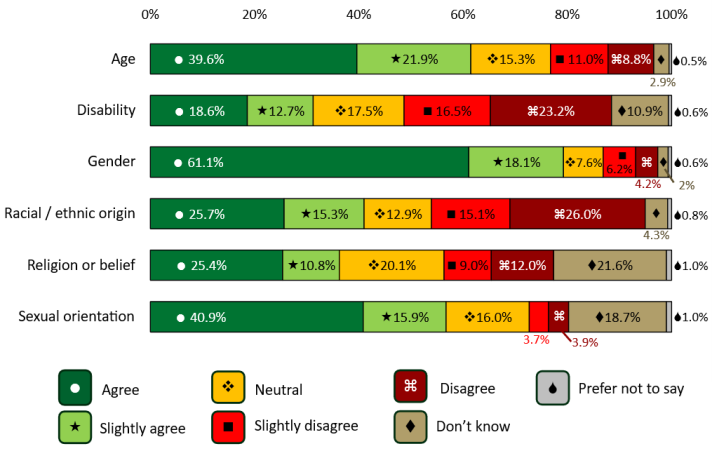
Figure 1: I consider my organisation is diverse in terms of age, disability, gender, racial or ethnic origin, religion or belief, and sexual orientation.
Personal value
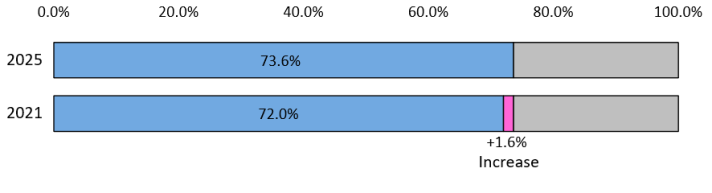
Figure 2: At work, I feel I am personally respected, valued and that I have the same opportunities as others, irrespective of my personal characteristics.
73.6% of respondents feel personally valued.
Recommendation as an employer for D&I
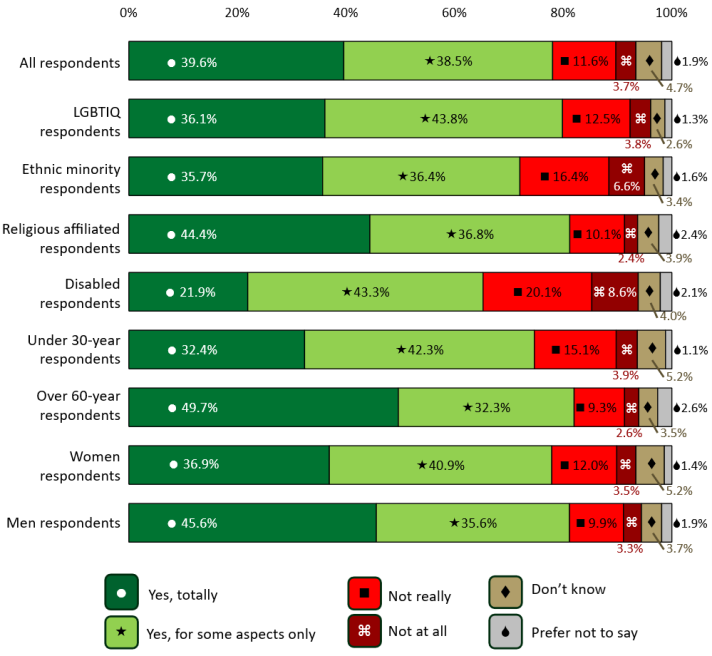
Figure 3: Would you recommend your organisation as an employer of choice regarding diversity, inclusion and respect at work?
78.1% of respondents would recommend their organisation as an employer for diversity and inclusion.
Awareness of D&I actions
Figure 4: Are you aware of your organisation’s actions to promote diversity and inclusion (the Commission’s Diversity and Inclusion Strategy and related Action Plan or the EEAS Diversity and Inclusion Agenda)?
78% of participants indicated awareness of actions promoting diversity and inclusion.
Respondents with managerial responsibilities significantly exceeded the overall average both in awareness of diversity and inclusion actions and participation in training.

Next steps
- Managers show high awareness and motivation to do more about diversity and inclusion. To sustain this, focus will be put on continued leadership development.
- While awareness of actions to promote diversity and inclusion among staff is high, only 31.3% indicated participation. Greater participation will be encouraged.
- Overall, the majority of respondents reported being generally satisfied with the organisations in terms of diversity and inclusion. However, the findings indicate that increased support has to be provided, specifically for colleagues with a disability or with carer responsibilities, neurodivergent staff or colleagues from an ethnic minority background.
- The survey findings will help the Commission to update the diversity and inclusion Action Plan, focusing better on where the needs are.